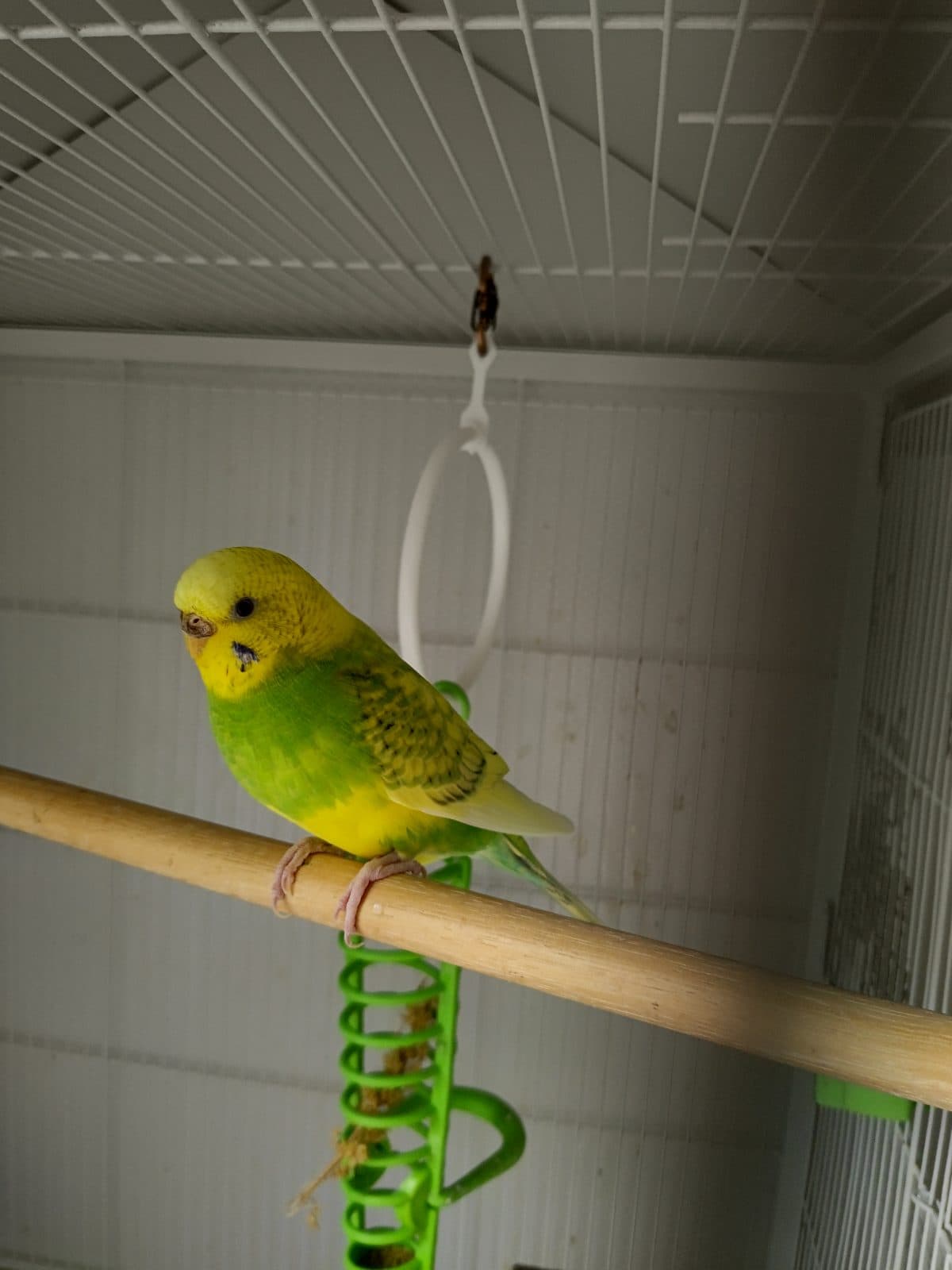
Minimizing Stress for Your Newly Adopted Bird in Toronto
Bringing a new companion bird into your home is an incredibly rewarding experience, but it’s also a significant change for your feathered friend. Whether your bird is coming from a rescue, another home, or a breeder, the transition can be stressful. Your goal as a new owner in the Greater Toronto Area (GTA) is to create an environment that minimizes this stress and helps your bird feel safe, secure, and loved. A calm and confident bird is a happy bird, and a happy bird will bond more readily with its new family.
Prepare Their Space Before Arrival
The most critical step in minimizing stress is preparation. Before your bird even sets a claw in your home, their designated space should be completely ready. This includes the cage, perches, food and water bowls, and some initial toys. Choose a quiet, low-traffic area of your home, away from direct drafts, loud noises (like televisions or barking dogs), and direct sunlight that could cause overheating. If you have other pets, ensure their access to the bird’s area is strictly controlled, especially during the initial adjustment period.
Having everything set up beforehand prevents last-minute scrambling, which can add to the chaos and stress for both you and your new bird. Ensure the cage is sparkling clean and all accessories are properly installed and secure.
The Journey Home: A Smooth Transition
The journey from their previous location to your home can be one of the most stressful parts of the process. Use a secure, appropriately sized carrier. Line it with a towel or newspaper for comfort and easy cleanup, and ensure there's good ventilation. Avoid playing loud music in the car or making sudden stops. Covering the carrier with a light blanket can help reduce visual stimulation and create a sense of security for your bird, making the car ride less daunting. If it's a cold Toronto day, ensure the carrier is kept warm, and if it's hot, prevent overheating.
First Hours and Days: Gentle Introduction
Once you arrive home, place the carrier directly into the pre-prepared cage. Open the carrier door and allow your bird to come out at their own pace. Do not try to force them out or grab them. This initial freedom to explore their new, safe space on their terms is crucial. Resist the urge to interact excessively in these first few hours. Instead, simply observe from a distance, ensuring they find their food and water.
For the first few days, keep interactions brief and calm. Speak softly, move slowly, and avoid sudden movements. Spend time in the same room as the bird, engaging in quiet activities like reading or working on a laptop, allowing them to get used to your presence without direct pressure. Many birds benefit from a partial cage cover at night, or even during the day if they seem particularly overwhelmed, to provide a sense of security and a quiet place to retreat.
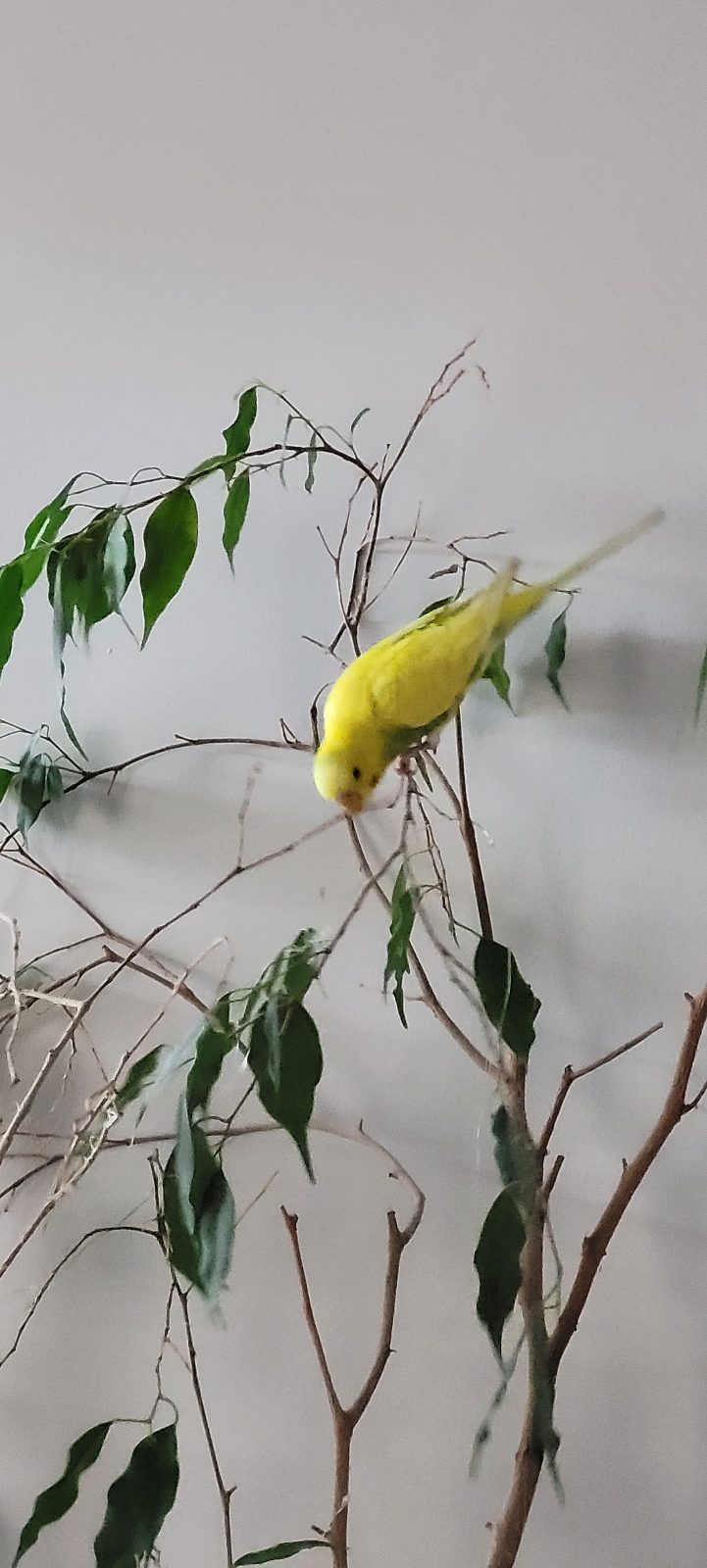
_A cozy budgie settling into its new surroundings. A quiet space helps immensely._
Establishing a Routine and Trust
Birds thrive on routine. Establishing a consistent schedule for feeding, cage cleaning, and quiet interaction will help your bird feel more secure. Birds are highly intelligent and observant; they will quickly learn to anticipate what comes next, which reduces anxiety. For example, feeding them at the same time each morning and evening provides predictability.
Building trust takes time and patience. Start by simply offering treats from your hand through the cage bars, without trying to pet them. Gradually, as your bird shows comfort, you can increase the duration and proximity of your presence. Never force interaction. If your bird seems stressed, back off and try again later. Remember, a rescued bird may have past experiences that make them more cautious, so extra patience is key.
Nutrition and Hydration
Stress can sometimes lead to birds refusing to eat or drink. Ensure they know where their food and water are. Initially, offer the same diet they were eating in their previous home to avoid additional stress from a sudden dietary change. Once they are settled, you can gradually introduce new, healthier options. Fresh water should always be available and changed daily. Observe their eating and drinking habits closely to ensure they are consuming enough.
Enriching Their Environment (Gradually)
While a new bird needs a calm introduction, their environment shouldn't be devoid of stimulation. Start with a few simple, safe toys in the cage. As they settle in, you can gradually introduce more complex toys and opportunities for supervised out-of-cage time. For Toronto birds, consider local and seasonal fruits and vegetables as healthy treats. Just ensure any new additions are introduced slowly, so as not to overwhelm them.
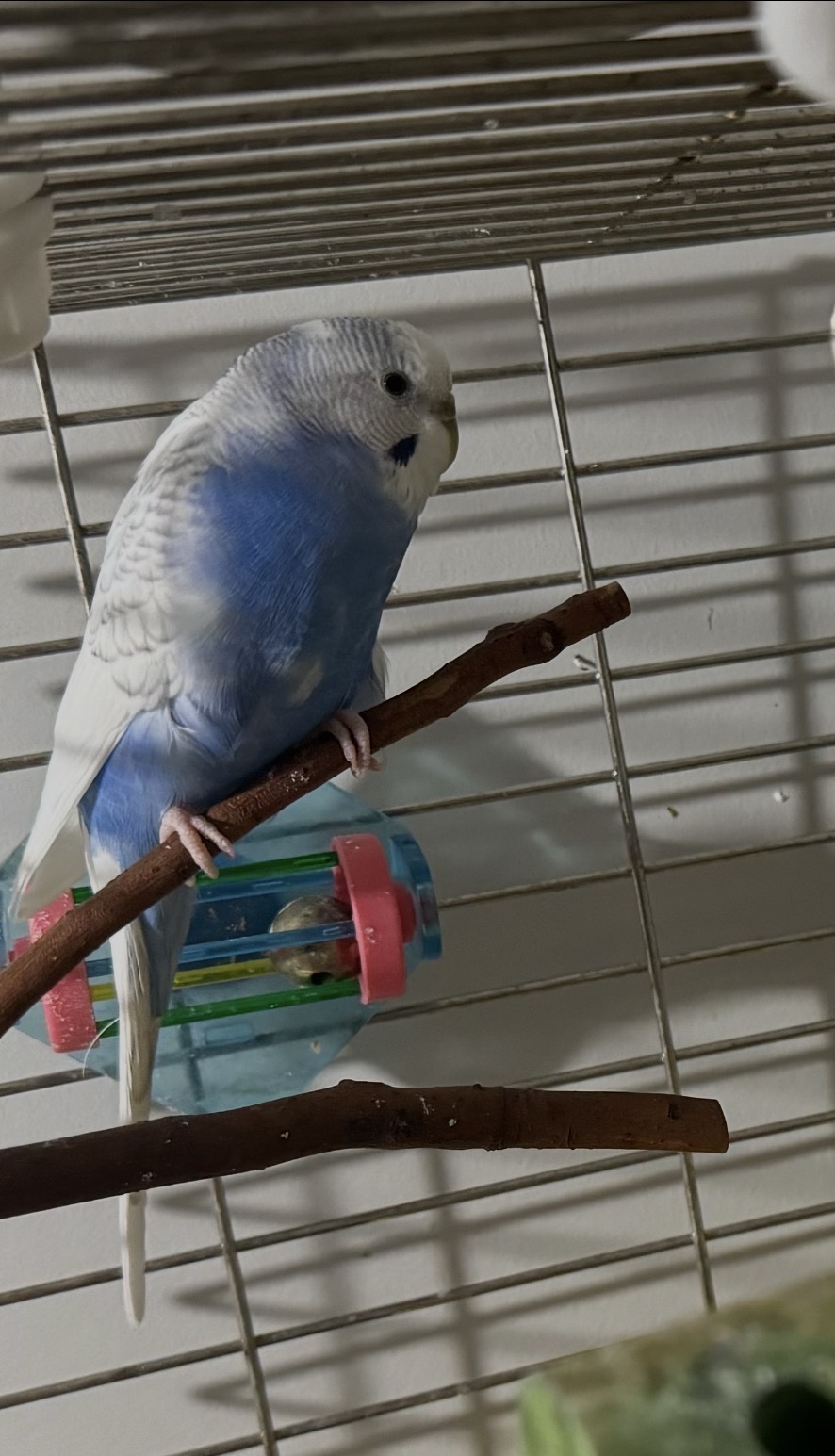
_A curious budgie exploring its new world. Gradual enrichment keeps them engaged._
Recognizing Signs of Stress
Be vigilant for signs of stress in your new bird. These can include: excessive plucking, aggression, loss of appetite, lethargy, fluffed feathers (not related to sleeping), pacing, or constant loud vocalizations. If you notice persistent signs of stress, consult with an avian vet in the Toronto area. They can rule out any underlying health issues and offer advice tailored to your bird's situation.
Seeking Support and Further Information
Adopting a bird is a journey, and there’s always more to learn. Bird Sitting Toronto's Rehoming Portal is here to support you. We have a wealth of information in our [species guides](/species) and our blog. If you’re considering adoption, we encourage you to browse our current [adoptable birds](/). If you’re finding that rehoming is the best option for your current bird, we can also help facilitate a safe and loving transition through our [rehoming services](/rehome).
By following these guidelines, you'll be well on your way to helping your new avian family member adjust to their forever home in Toronto, building a strong, trusting bond that will last for years to come. Patience, understanding, and a calm approach are your best tools in making this transition a success.
---
Thinking of adding a feathered friend to your family? Explore our rehoming portal to see birds currently seeking their forever homes.
Ready to welcome a feathered friend?
Browse birds currently available for adoption through BST.
Browse Available BirdsRelated Articles
Understanding and Managing Screaming in Companion Birds: A Toronto Guide
Learn how to understand and effectively manage common screaming behaviours in companion birds, ensuring a harmonious home environment in Toronto.
Sep 17, 2026
Creating a Safe and Bird-Friendly Home: Essential Toronto Tips
Bird-proof your Toronto home for your companion bird's safety. Learn essential tips for creating a secure and hazard-free environment.
Sep 14, 2026