Creating a Safe and Bird-Friendly Home: Essential Toronto Tips
Bringing a companion bird into your Toronto home is an exciting journey! Whether you're a first-time adopter or an experienced bird parent, ensuring your living space is safe and stimulating is paramount. Birds, by their very nature, are curious and explorative, and what might seem harmless to us can pose a serious threat to our feathered friends. This guide will walk you through essential steps to bird-proof your home, helping you create a haven where your bird can thrive without unnecessary risks.
Identifying Common Household Dangers
Before you even bring your new bird home, take a walk through your living space with a fresh pair of eyes – or perhaps, a bird's-eye view! Many everyday items can be incredibly dangerous. Think about anything small enough to be ingested, anything sharp, or anything that could trap a curious beak or foot. Electrical cords, open toilets, toxic plants, and even certain cleaning products are just a few examples of hidden hazards.
The Kitchen: A High-Risk Zone
The kitchen is often the heart of the home, but for birds, it can be one of the most dangerous areas. Non-stick cookware, particularly those with Teflon or PTFE coatings, releases toxic fumes when overheated. These fumes are colourless and odourless to humans but can be deadly to birds, causing respiratory distress and often swift death. It’s crucial to replace all non-stick cookware with bird-safe alternatives like stainless steel, cast iron, or ceramic. Even a small amount of overheating can be fatal, so vigilance is key.
Beyond cookware, consider open stovetops, hot liquids, and cleaning chemicals. Always ensure your bird is secured in their cage or in another room when you're cooking or cleaning. Dispose of food waste promptly and ensure garbage bins are securely lidded to prevent your bird from rummaging for potentially harmful scraps.
Living Areas: Everyday Hazards
Your living room and other communal spaces also require attention. Windows and mirrors can be deceptive for birds, leading to collisions. Applying bird-safe window decals, blinds, or curtains can help prevent these accidents, especially when your bird is out of its cage. Ceiling fans, even when seemingly slow, can cause severe injury if a bird flies into them. Always turn off ceiling fans when your bird is out of its cage.
Keep small, ingestible items like beads, buttons, paperclips, and staples out of reach. Birds love to chew, and these items can cause impaction or poisoning. Many common houseplants are also toxic to birds; research thoroughly or err on the side of caution and remove all plants from areas your bird can access. Examples of toxic plants include lilies, philodendrons, and diffenbachia.
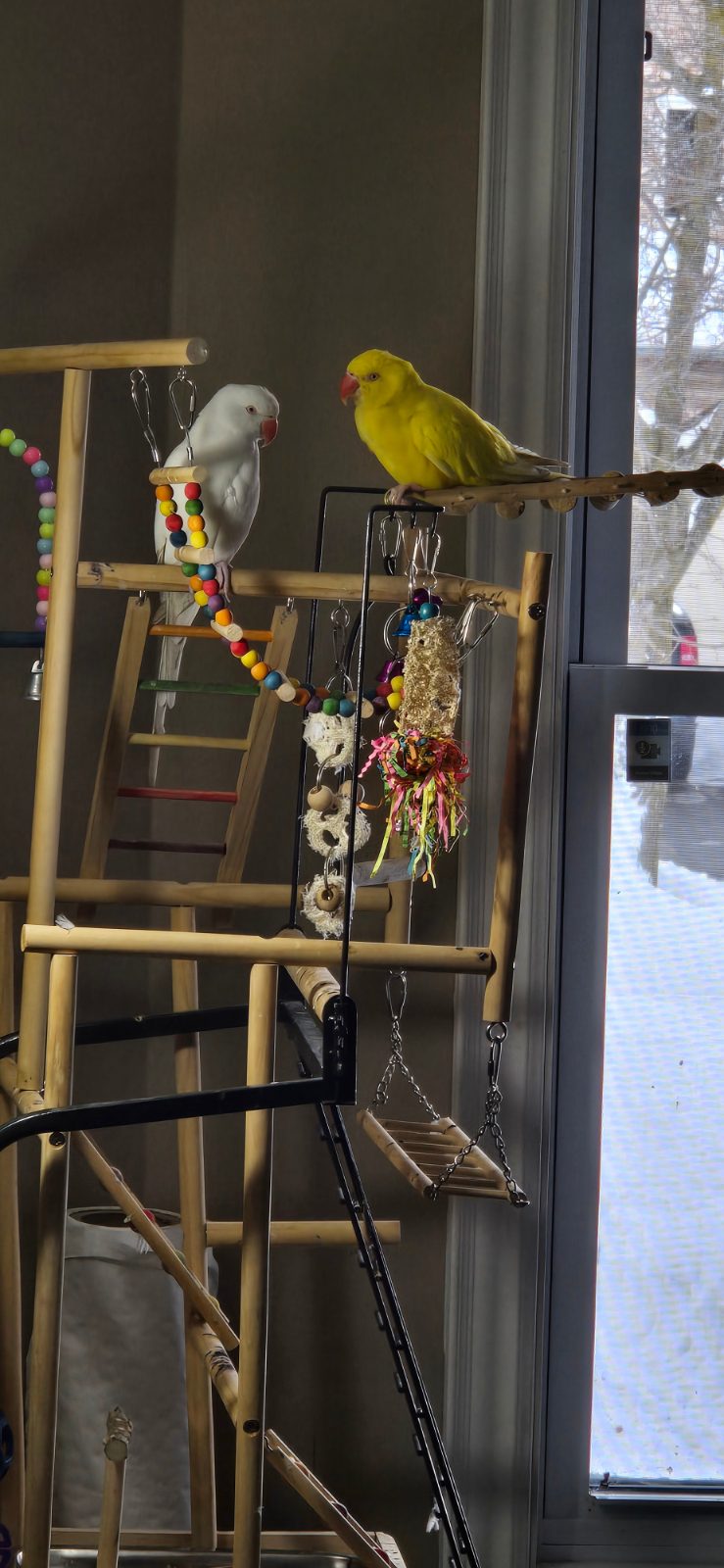
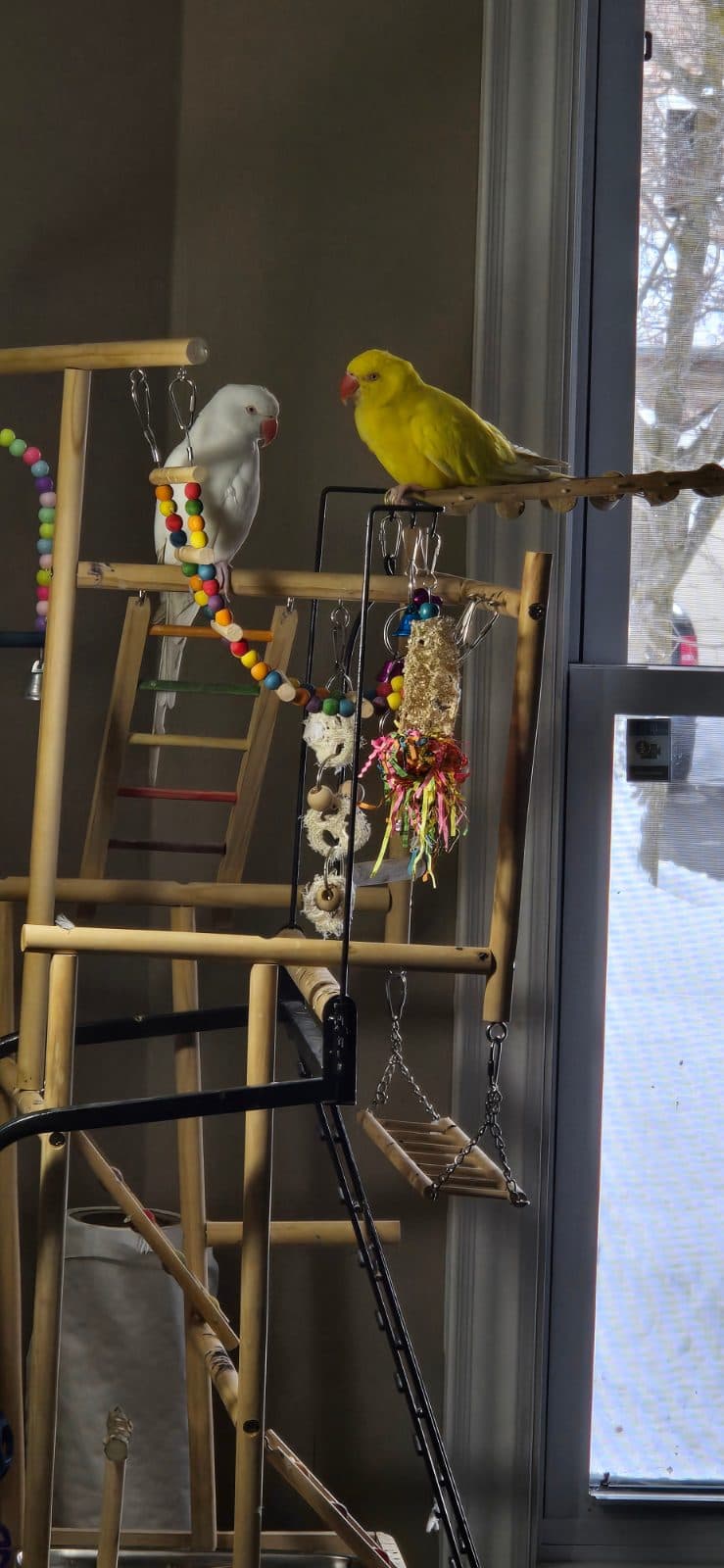
Kiki and Pearl enjoying a safe, enriching environment. Providing secure spaces is crucial for their well-being.
Bird-Proofing Specifics: Doors, Windows, and Water
Ensure all doors and windows are securely closed when your bird is out of its cage to prevent accidental escapes. A quick flight out an open window in the GTA could mean your bird is lost forever. Be mindful of swinging doors, as a bird resting on a doorframe could be injured. Toilets, sinks, and bathtubs filled with water pose a drowning risk, especially for smaller birds. Always keep toilet lids down and supervise closely if your bird is near any open water source.
Cleaning Products and Air Quality
Many household cleaning products, air fresheners, scented candles, and plug-in diffusers contain volatile organic compounds (VOCs) that are highly toxic to a bird's sensitive respiratory system. Opt for natural, bird-safe cleaning alternatives like vinegar and baking soda. Avoid aerosols entirely, including hairspray, perfumes, and deodorants, in the vicinity of your bird. When cleaning, consider moving your bird to another room with good ventilation, or even to a friend's house if you're undertaking a deep clean with stronger products.
Smoke, from cigarettes, cigars, or even wood-burning fireplaces, is extremely detrimental to avian health. If you smoke, it's imperative to do so outdoors and away from your bird's living area. Even residual smoke on clothing can be harmful.
Creating a Stimulating and Safe Environment
Beyond removing hazards, creating a safe home also means providing a rich and stimulating environment. A spacious cage (check out our guide on [Choosing the Right Cage for Your Companion Bird](/blog/choosing-the-right-cage-for-your-companion-bird)) with appropriate perches and toys is essential. However, supervised out-of-cage time is vital for your bird's physical and mental well-being. During this time, always be present and attentive.
Regularly inspect toys and perches for wear and tear. Broken toys can have sharp edges or expose small parts that could be ingested. Replace worn items promptly. Providing a variety of foraging toys and opportunities encourages natural behaviours and keeps your bird engaged. For more ideas, explore our blog on [DIY Enrichment Toys Your Bird Will Love](/blog/diy-enrichment-toys-your-bird-will-love).
The Ongoing Process of Safety
Bird-proofing isn't a one-time task; it's an ongoing process. As your bird grows, or as new items enter your home, reassess potential dangers. Birds are masters of finding vulnerabilities, so staying vigilant is key. If you're considering adopting, take the time to prepare your home thoroughly. This proactive approach ensures a smoother transition for your new feathered family member.
Many of the wonderful birds seeking homes through our portal are ready to bring joy into a safe environment. From playful budgies to intelligent parrots, each one deserves a secure and loving home. You can [browse adoptable birds](/).
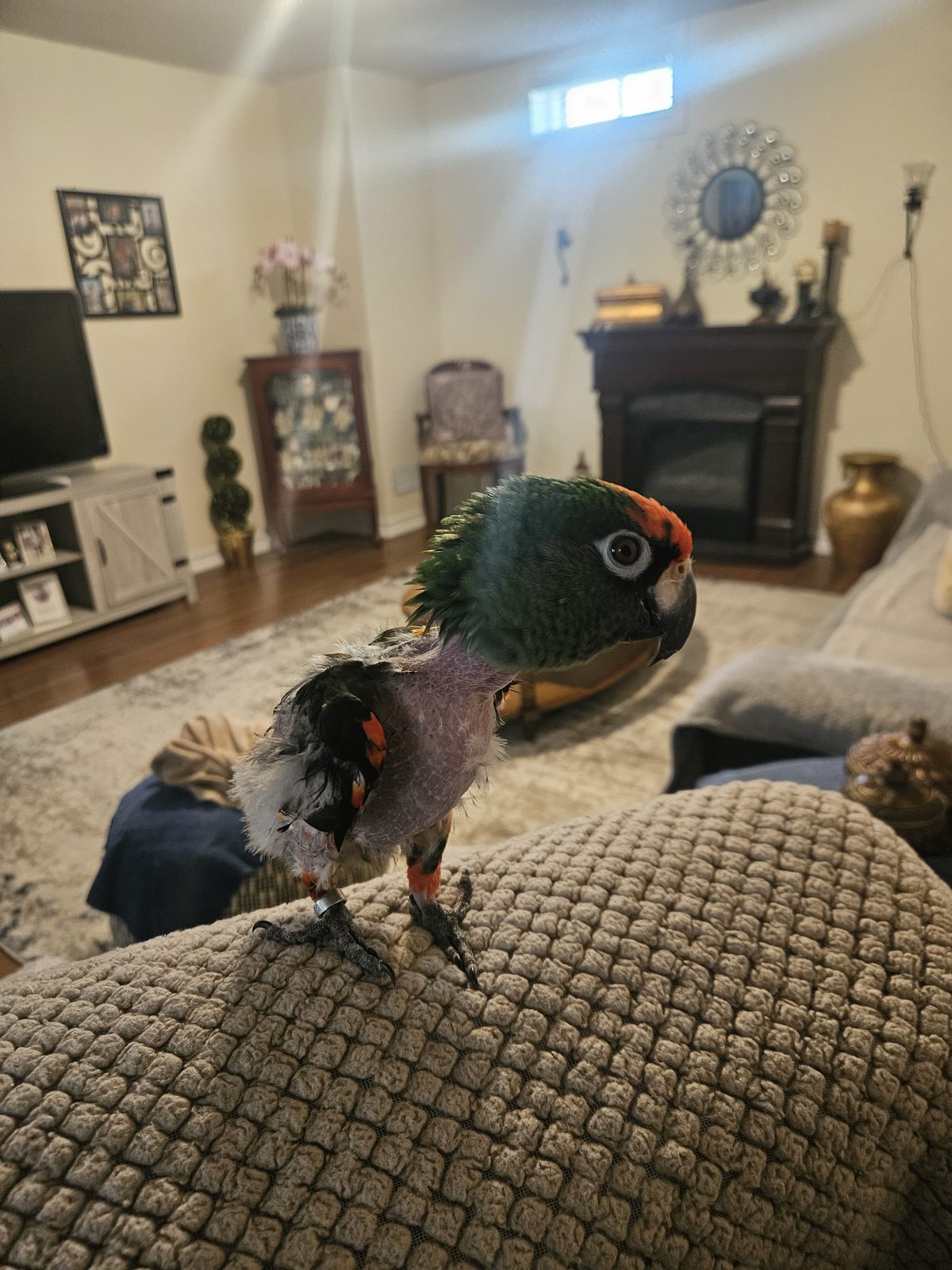
Coco, a beautiful Jardine's Parrot, relies on a safe environment for health and happiness.
By taking these steps to create a bird-friendly home, you're not just preventing accidents; you're fostering an environment where your companion bird can feel secure, explore freely, and truly thrive. A little effort in bird-proofing goes a long way in ensuring a long, happy, and healthy life together.
Are you ready to welcome a new feathered friend into your safe and prepared home? Start your journey by exploring the incredible companion birds available for adoption through the Bird Sitting Toronto Rehoming Portal today. [Browse adoptable birds here!](/)
Ready to welcome a feathered friend?
Browse birds currently available for adoption through BST.
Browse Available BirdsRelated Articles
Bringing Home a Second Bird: What Toronto Owners Need to Know
Considering a second bird for your Toronto home? Learn how to introduce a new feathered friend to your existing companion safely and happily.
Sep 11, 2026
Choosing the Right Perches for Your Bird: A Guide for Toronto Bird Owners
Selecting the right perches is crucial for your bird's foot health and overall well-being. Learn about perch types, materials, and placement.
Sep 8, 2026