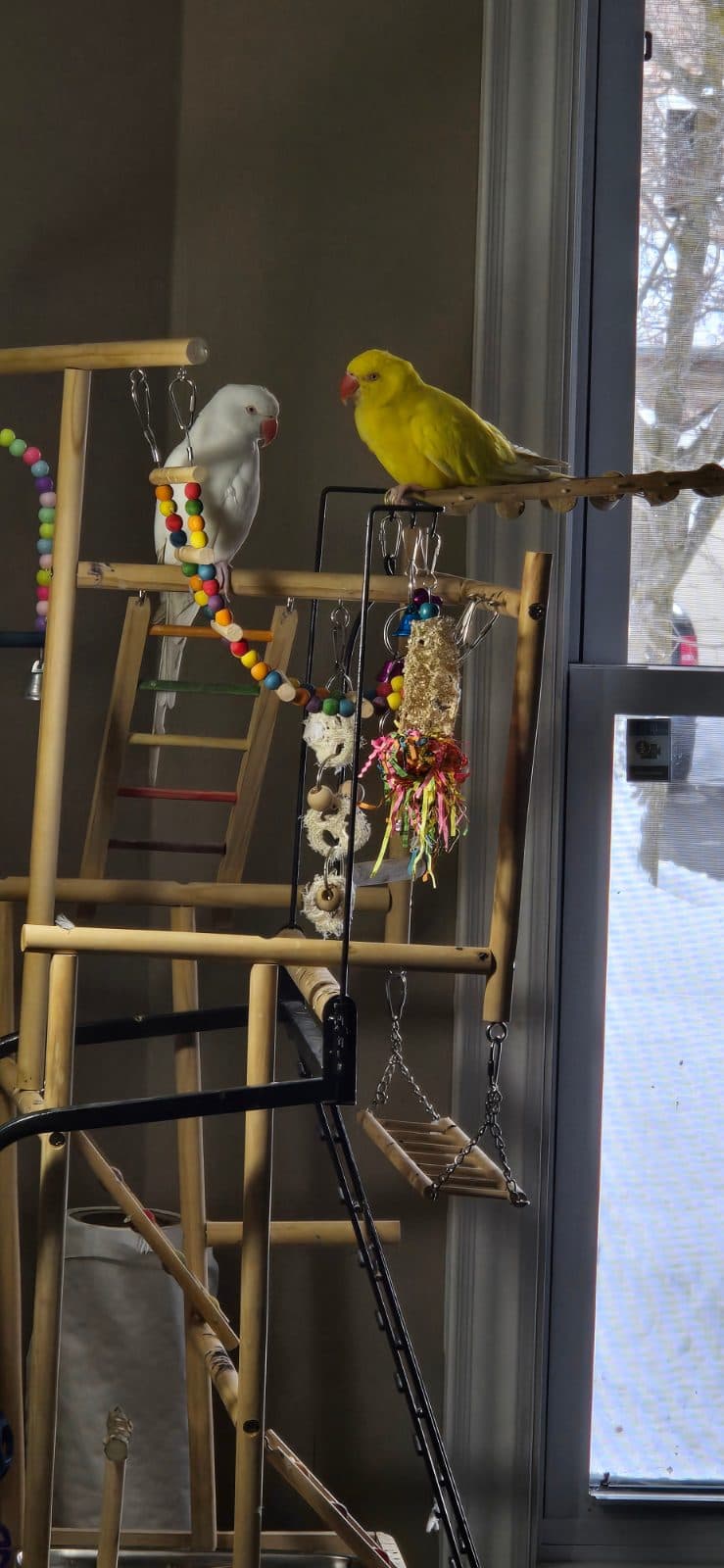
Bringing Home a Second Bird: What Toronto Owners Need to Know
Bringing a new bird into your home is always an exciting time. But what happens when you already have a beloved feathered companion, and you're thinking about adding another? Whether you're hoping to give your current bird a friend, or you've simply fallen in love with another bird needing a home, introducing a second bird requires careful planning and patience. For Toronto bird owners, understanding the nuances of these introductions can make all the difference in creating a harmonious flock.
It’s not as simple as putting two birds in the same cage and hoping for the best. Birds are complex social creatures, and their personalities, species, and individual histories all play a role in how they'll react to a new companion. Rushing the process can lead to stress, aggression, or even health issues for one or both birds. Let's explore how to make this transition as smooth as possible.
Is Another Bird Right for Your Home?
Before you even start looking for a second bird, take an honest assessment of your current situation. Do you have enough time and resources to dedicate to two birds? This means double the cleaning, double the food, and potentially double the vet bills. Consider your space – will you be able to provide two separate cages, at least initially? In Toronto, where living spaces can be cozier, this is an important consideration.
Think about your current bird's personality. Is your bird generally curious and social, or more territorial and independent? Some birds thrive with a companion, while others prefer to be the sole recipient of human attention. While you might want to give your bird a friend, remember that birds don't always choose their companions the way humans do. Compatibility is key.
Finally, reflect on why you want a second bird. Is it truly for the benefit of your existing bird, or for your own enjoyment? Both are valid, but understanding your motivation will help guide your decisions throughout the process.
Choosing Your Second Feathered Friend
Once you’ve decided another bird is right for your household, the selection process is crucial. If you're looking for birds available for adoption in the GTA, you can always [browse adoptable birds here](/).
* Species Compatibility: Ideally, choose a bird of the same species or a closely related one. Different species can have different social cues, play styles, and even dietary needs, which can create friction. For example, a budgie might intimidate a finch, or a larger parrot could accidentally injure a smaller one during play. If you're considering a different species, research extensively or consult with an avian vet or experienced bird rescuer.
* Age and Temperament: A younger, more adaptable bird might integrate more easily than an older, set-in-their-ways bird. Look for a bird with a calm and curious temperament, rather than one that appears overly aggressive or fearful.
* Health: This is paramount. Never introduce a new bird to your existing flock without a quarantine period. A new bird, even if it appears healthy, could be carrying diseases that could devastate your current bird. Insist on a recent vet check-up and consider having a reputable avian vet in the Toronto area perform a new-bird exam.
The Crucial Quarantine Period
This cannot be stressed enough: quarantine is non-negotiable. When you bring home your new bird, they must be housed in a completely separate room, ideally one that your existing bird never enters. This separation should last for a minimum of 30 days, but 45-60 days is even safer, especially if you haven't received a full health clearance from an avian vet.
During quarantine:
* Separate Cages, Separate Rooms: Absolutely no physical contact or shared air space initially. Even airborne particles can transmit disease.
Separate Cleaning & Feeding: Use different utensils, towels, and cleaning supplies for each bird. Clean the quarantined bird's area after* you've cared for your existing bird to minimize cross-contamination.
* Monitor for Symptoms: Observe the new bird closely for any signs of illness: changes in droppings, discharge from eyes or nostrils, lethargy, fluffed feathers, or changes in appetite. If you notice anything unusual, contact your avian vet immediately.
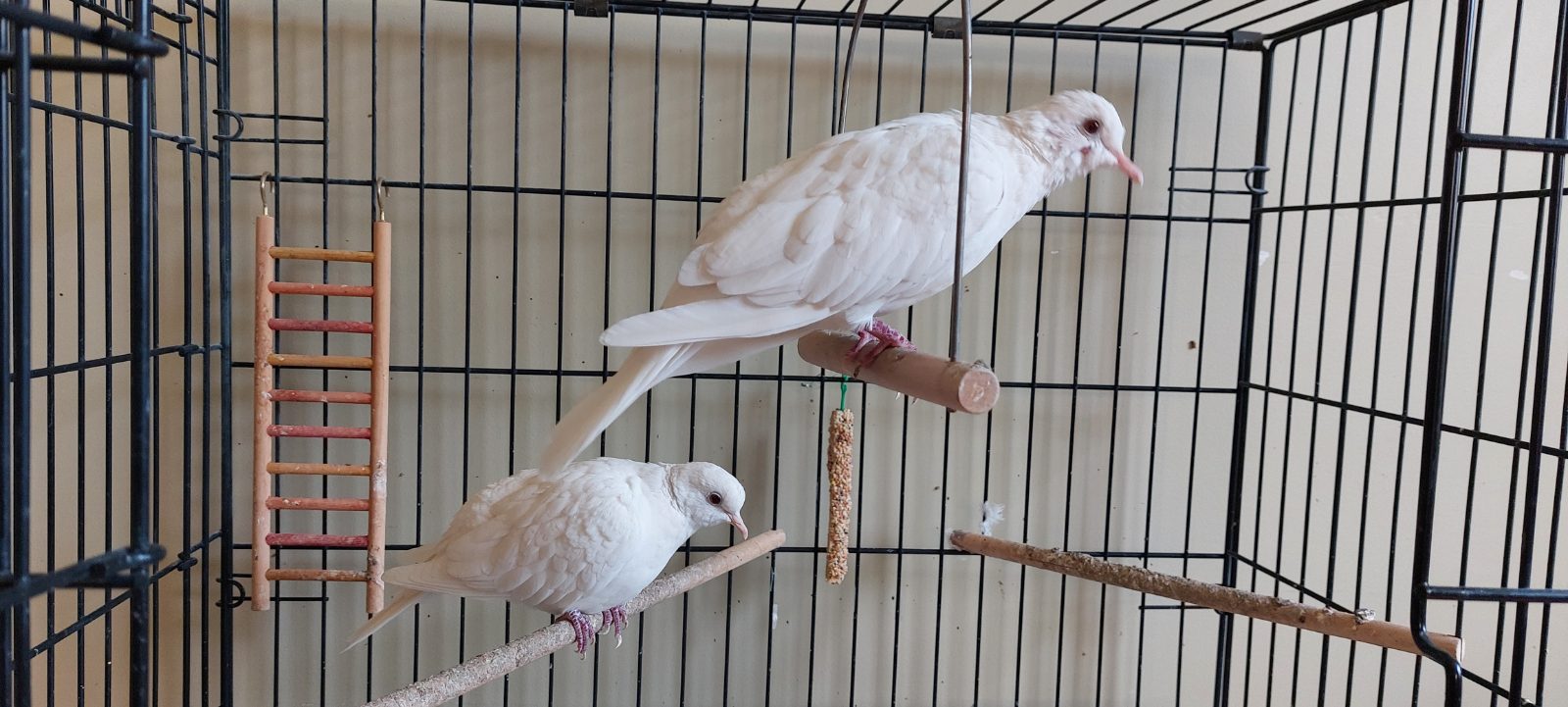
_A pair of Lovebirds enjoying each other's company._
Gradual Introductions: Slow and Steady Wins the Race
After a successful quarantine period and a clean bill of health from your vet, you can begin the slow process of introduction. This isn't a race; patience is your best tool.
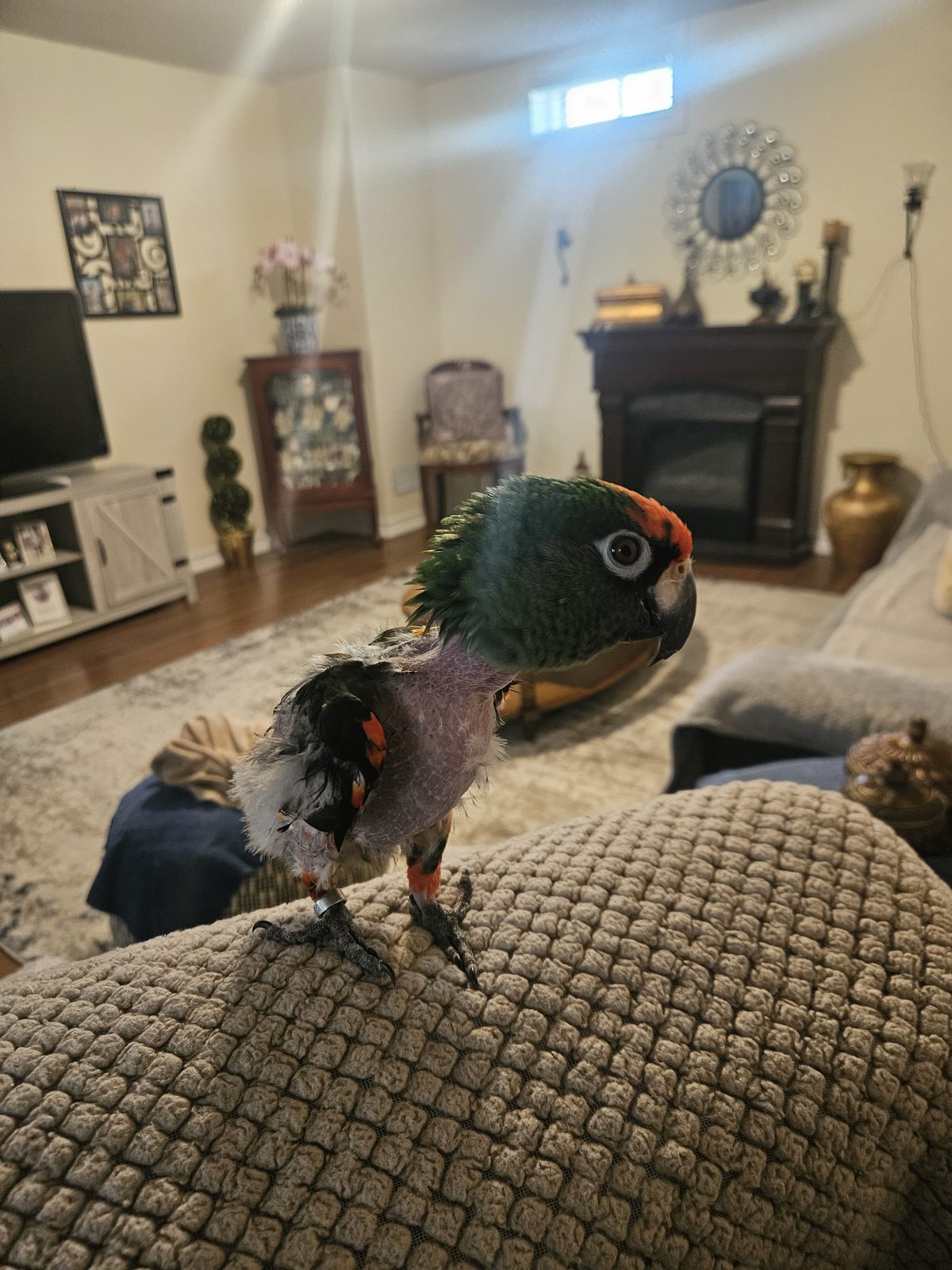
_Coco, a Jardine's Parrot, demonstrating good body language - relaxed and attentive._
When to Consider a Shared Cage (and When Not To)
Many owners hope their birds will eventually share a cage. This is often the goal, but it's not always possible or even advisable. If you do consider it:
* Size Matters: The shared cage must be significantly larger than what would be suitable for one bird, offering plenty of space for each bird to retreat and have their own perches, food, and water dishes. Ideally, it should be a new cage that neither bird has claimed as their territory.
* Introduce in a Neutral Space: Never put one bird into another bird's established territory. Instead, introduce both birds to the new, large cage simultaneously in a neutral setting.
* Continue Supervision: Even after they're sharing a cage, continue to monitor them closely for signs of conflict. Don't leave them unsupervised until you are absolutely confident in their bond.
* Be Prepared for Two Cages: Always have two separate, fully equipped cages ready as a fallback. Not all birds will bond, and forcing them to share a space if they're incompatible can lead to chronic stress, injury, or illness.
Remember, even if your birds never become best friends, simply coexisting peacefully in the same room or separate cages can be a success. The goal is the well-being and happiness of all your feathered companions.
Bringing home a second bird can enrich your life and potentially the life of your existing bird, but it requires commitment, knowledge, and a thoughtful approach. By following these guidelines, you'll be well on your way to a multi-bird household in Toronto where all your feathered friends can thrive.
If you're considering expanding your flock, or if you need to [rehome a bird](/rehome), remember that Bird Sitting Toronto is here to help connect birds with loving homes. Discover more about various species on our [species guides page](/species) to make an informed decision for your family.
Ready to welcome a feathered friend?
Browse birds currently available for adoption through BST.
Browse Available BirdsRelated Articles
Choosing the Right Perches for Your Bird: A Guide for Toronto Bird Owners
Selecting the right perches is crucial for your bird's foot health and overall well-being. Learn about perch types, materials, and placement.
Sep 8, 2026
Understanding Your Bird's Poop: A Toronto Bird Owner's Guide to Avian Health
Learn what your bird's droppings can tell you about their health. This Toronto guide helps new owners identify normal vs. abnormal avian poop.
Sep 5, 2026