Understanding Your Bird's Poop: A Toronto Bird Owner's Guide to Avian Health
As a new or prospective bird owner in Toronto, you’re likely focused on the fun aspects of bird companionship: teaching tricks, sharing treats, and enjoying their vibrant personalities. But there’s one less glamorous, yet incredibly important, aspect of bird care that often goes overlooked: their droppings. Yes, we're talking about bird poop! While it might not be a topic for polite dinner conversation, understanding your bird's droppings is a vital skill for monitoring their health. Changes in consistency, colour, or volume can be early indicators of underlying health issues, helping you spot problems before they become serious.
This guide will walk you through what healthy bird droppings look like, what common variations mean, and when you should be concerned enough to contact your avian veterinarian in the GTA. Think of it as a secret language your bird uses to communicate their well-being – and you’re about to become fluent.
The Three Components of Healthy Bird Poop
Unlike mammals, birds don't urinate and defecate separately. Their waste products are combined into a single dropping, which typically consists of three distinct parts. Understanding these components is the first step to knowing what's normal for your feathered friend.
Together, these three components paint a picture of your bird's internal health. It’s important to observe these regularly.
What's Normal and What's Not?
"Normal" can vary slightly depending on your bird's species, diet, and even stress levels. However, here are some general guidelines:
* Colour of Feces: Typically green or brown. A diet heavy in pellets often results in brown feces, while a seed-based diet might lead to more greenish tones. Darker greens can also indicate the liver is working harder. If your bird has recently eaten brightly coloured fruits or vegetables, the fecal portion might temporarily take on those hues.
* Colour of Urates: Bright white. Any deviation, such as yellow, green, or orange, warrants attention.
* Consistency of Feces: Formed, not too hard or too soft. Diarrhea (very watery feces) or very hard, dry feces are concerning.
* Amount of Urine: Minimal clear liquid. A consistently large pool of clear liquid around the dropping is a red flag.
* Frequency: Most birds will drop multiple times a day. Changes in frequency, either significantly more or less, can be an indicator of health issues.
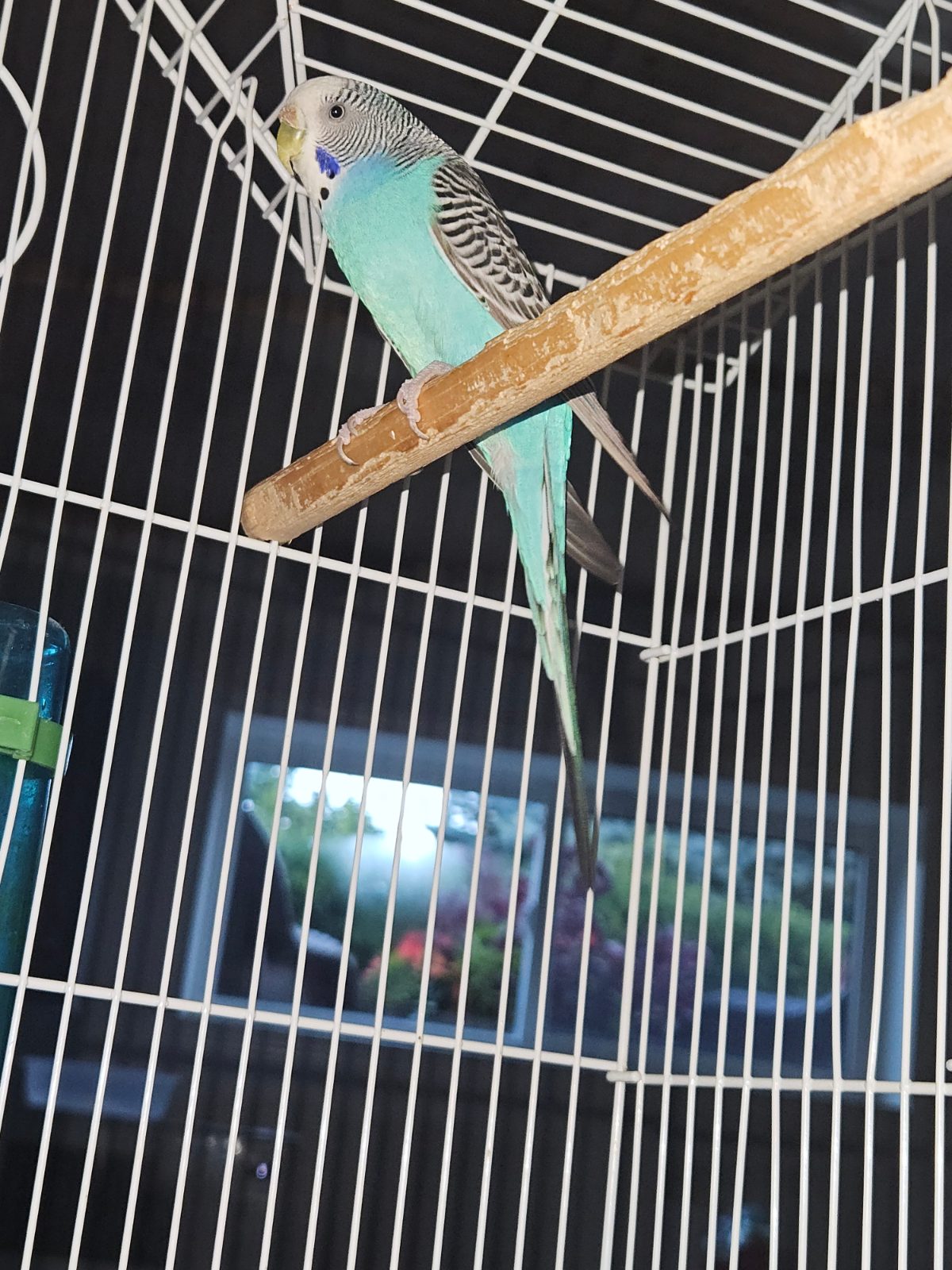
_Even small birds like Budgies can show significant health clues through their droppings._
Common Abnormal Droppings and What They Might Mean
Knowing what to look for can help you provide crucial information to your avian vet.
* Green/Yellow Urates: Often associated with liver disease or anorexia (not eating). If your bird's appetite hasn't changed, it could still indicate a liver issue.
* Blood in Droppings: Appears as red streaks or a dark, tarry appearance. This is a serious sign and requires immediate veterinary attention. It can indicate internal bleeding, cloacal issues, or poisoning.
* Undigested Food: If you see whole seeds or large pieces of food in the fecal portion, it suggests a problem with digestion or absorption. This could be due to an infection, internal parasites, or other gastrointestinal issues.
* Excessive Water (Polyuria): A large volume of clear urine surrounding the feces and urates. Can be caused by kidney disease, diabetes, certain medications, or increased water intake due to heat or stress.
* Diarrhea: Feces that are very loose, unformed, and watery. Can be due to bacterial infections, parasites, dietary changes, or stress.
* Reduced Dropping Volume/Frequency: If your bird isn't producing as many droppings as usual, it could indicate they aren't eating enough, or they might be constipated. Both require investigation.
* Foamy Droppings: Can sometimes indicate a bacterial or fungal infection.
When to Contact Your Avian Vet in Toronto
It's always better to be safe than sorry when it comes to your bird's health. While some minor, temporary changes can occur due to diet or stress, persistent or dramatic changes in droppings should always prompt a call to your avian veterinarian. If you notice any of the following, especially if accompanied by other symptoms like lethargy, fluffed feathers, changes in appetite, or difficulty breathing, seek professional advice immediately:
* Any sudden, significant change that lasts more than 24 hours.
* Blood in the droppings.
* Consistently green or yellow urates.
* Undigested food in the droppings.
* Severe diarrhea or excessive polyuria.
* Complete absence of droppings.
When you call your vet, be prepared to describe exactly what you're seeing: the colour of each component, consistency, and any other symptoms. A photo can also be very helpful.
Creating a "Poop-Monitoring" Routine
Making observation a habit is key. Here's how to integrate it into your daily routine:
Ready to welcome a feathered friend?
Browse birds currently available for adoption through BST.
Browse Available BirdsRelated Articles
Understanding and Managing Hormonal Behaviour in Companion Birds
Learn to identify and manage hormonal behaviours in your companion bird for a happier, healthier life together.
Sep 3, 2026
Understanding and Preventing Boredom in Your Companion Bird
Discover how to identify and prevent boredom in your Toronto companion bird, ensuring a happy and mentally stimulated life for your feathered friend.
Jul 8, 2026