Understanding and Preventing Boredom in Your Companion Bird
Just like humans, birds need mental and physical stimulation to thrive. A bored bird can quickly become an unhappy bird, leading to a host of behavioural and health issues. For companion birds in Toronto and the GTA, understanding how to keep their intelligent minds and energetic bodies engaged is crucial for a fulfilling life together. This guide will help you recognize the signs of boredom, understand its causes, and provide practical strategies to ensure your feathered friend remains stimulated, happy, and healthy.
Why is Preventing Boredom So Important?
Birds in the wild spend their days foraging, flying, socializing, and exploring. They are constantly busy. When kept as pets, especially in smaller environments, they can easily become under-stimulated. Chronic boredom can manifest in various ways, from destructive behaviours to self-mutilation. An engaged bird is a healthy bird, both physically and mentally.
Recognizing the Signs of a Bored Bird
It's important to be a keen observer of your bird's behaviour. Early detection of boredom signs can help you intervene before problems escalate. Here are some common indicators:
* Feather Plucking or Mutilation: This is one of the most alarming signs. A bored or stressed bird might start pulling out its feathers, or even self-mutilating, leading to skin damage and infections. If you notice this, it’s critical to consult an avian vet immediately to rule out medical causes, and then address environmental factors.
* Excessive Screaming or Noise: While some noise is normal, constant, repetitive screaming can be a cry for attention or a sign of frustration due to lack of stimulation.
* Repetitive Behaviours (Pacing, Head Bobbing): Stereotypic behaviours like pacing back and forth, constantly bobbing their head, or swinging on a perch without purpose can indicate a lack of enrichment.
* Aggression or Nipping: A bored bird might become more aggressive, biting or nipping more frequently out of frustration or a need for attention.
* Lethargy or Apathy: Conversely, some birds might become withdrawn, spending much of their time sleeping or sitting listlessly on a perch, showing little interest in their surroundings.
* Destructive Chewing (of non-toy items): While chewing is natural, if your bird is constantly gnawing at cage bars, furniture, or other inappropriate items, it might be seeking an outlet for pent-up energy.
* Loss of Appetite or Overeating: Stress and boredom can impact appetite, leading to either under-eating or comfort-eating.
Causes of Bird Boredom
Understanding the root causes can help you tailor your boredom-prevention strategies:
* Lack of Mental Stimulation: Birds are incredibly intelligent creatures. Without puzzles, challenges, and opportunities to learn, their minds become stagnant.
* Insufficient Physical Activity: A small cage, lack of out-of-cage time, or absence of suitable climbing/flying opportunities can lead to physical stagnation.
* Social Isolation: Many companion birds are flock animals by nature. If they don't get enough interaction with their human flock (or another bird, if appropriate), they can become lonely and bored.
* Lack of Novelty: Birds thrive on change and exploration. A stagnant environment with the same old toys and setup can quickly become monotonous.
* Inadequate Foraging Opportunities: In the wild, birds spend a significant portion of their day foraging for food. Simply presenting food in a bowl removes this vital natural behaviour.
Strategies for Preventing Boredom: Keeping Your Toronto Bird Happy
Now for the good news! There are many creative and effective ways to keep your bird engaged and prevent boredom.
1. The Power of Foraging
This is perhaps the most impactful change you can make. Instead of just putting food in a bowl, make your bird work for it. This mimics their natural behaviour.
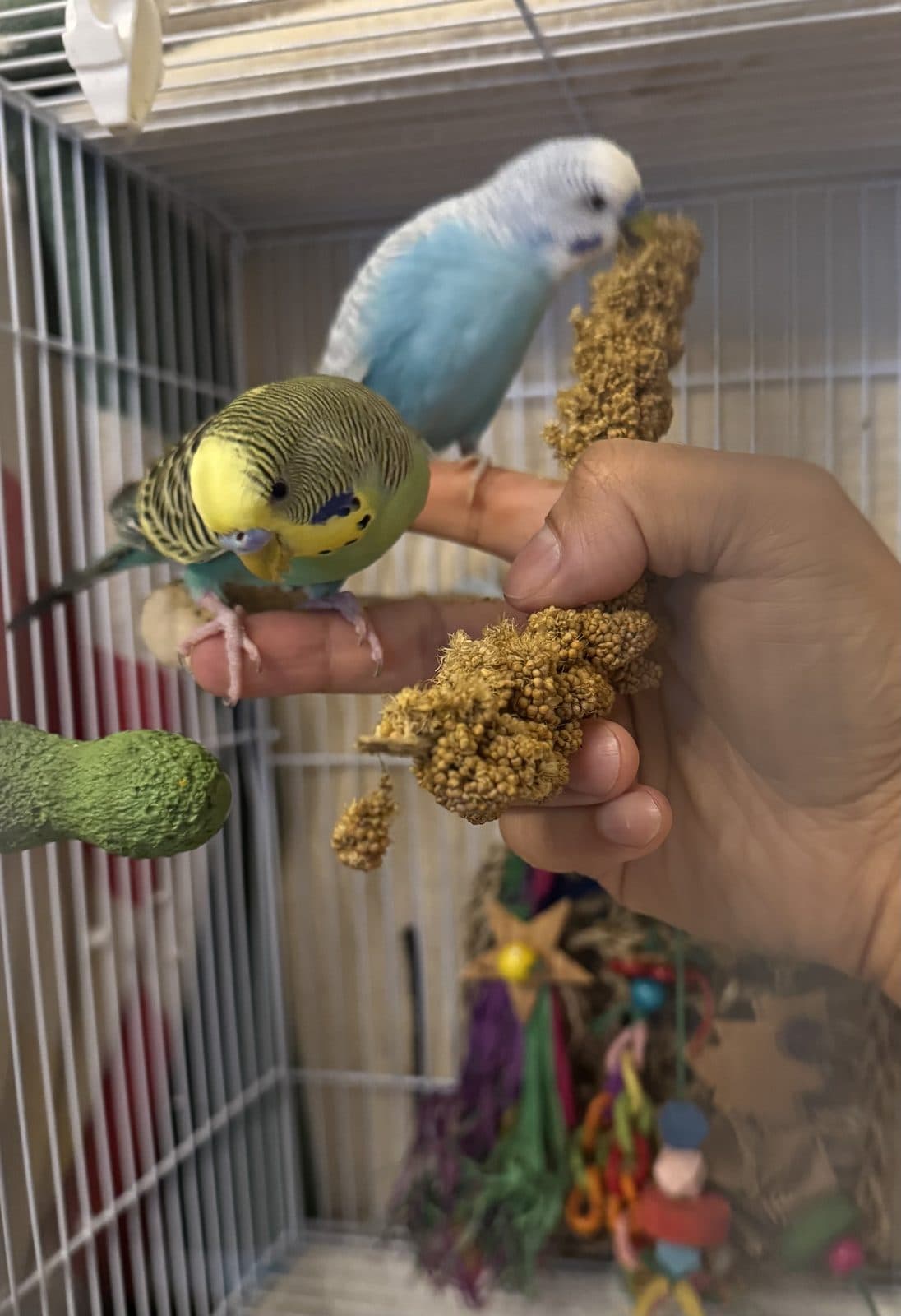
* Foraging Toys: Purchase or make toys that require your bird to manipulate them to get a treat. These can range from simple cardboard tubes with treats inside to complex puzzle feeders. Always ensure toys are bird-safe.
* Hide and Seek: Hide small portions of their pellets or fresh veggies around their cage, under paper, or in crumpled-up non-toxic paper.
* Multiple Feeding Stations: Distribute food in several different spots and in different types of containers throughout the cage to encourage movement and exploration.
2. Rotate Toys and Cage Layout
Variety is the spice of life for birds. Don't leave the same toys in the cage all the time.
* Toy Rotation: Have a collection of bird-safe toys and rotate them in and out of the cage every week or two. This keeps things fresh and interesting.
* Rearrange the Cage: Periodically change the placement of perches, toys, and food bowls. This slight re-design makes the environment feel new and encourages exploration.
* Offer Different Textures: Provide toys made from various materials like wood, rope, paper, plastic, and natural branches.
3. Provide Plenty of Chewable and Destructible Toys
Chewing is a natural and essential behaviour for birds. It helps keep their beaks trimmed and provides an outlet for energy.
* Wood Toys: Unfinished, untreated wood blocks, branches (ensure they are bird-safe species like apple, pear, or willow), and shreddable wood toys.
* Cardboard and Paper: Empty toilet paper rolls, paper towel rolls, crumpled paper (non-toxic ink), and shredding toys made from cardboard are excellent.
* Natural Materials: Untreated pine cones, natural grass mats, or wicker baskets (ensure no loose threads).
4. Daily Interaction and Training
Your companionship is one of the most vital forms of enrichment.
* Dedicated Playtime: Set aside time each day for one-on-one interaction. This can involve talking, singing, gentle petting (if your bird enjoys it), or supervised out-of-cage time.
* Basic Training: Teach your bird simple commands like 'step up' or 'come'. This provides mental stimulation and strengthens your bond. Check out our previous article on trick training for more ideas!
5. Environmental Enrichment Beyond the Cage
Don't limit your bird's world to its cage.
* Out-of-Cage Time: Supervised time outside the cage in a bird-proofed room is essential for most species. This allows for exercise and exploration.
* Window Views: Position the cage safely near a window where your bird can observe outdoor activity (but be mindful of extreme temperatures and direct sunlight).
* Safe Soundscapes: Play gentle music, bird sounds, or even a podcast. Avoid overly loud or jarring noises.

_A happy, engaged conure like BabyBat enjoys exploring and interacting with their environment._
6. Consider a Companion (Carefully!)
For some species, particularly flock animals, the company of another bird can be invaluable. However, this decision requires careful consideration:
* Species Compatibility: Not all species get along, and even within the same species, personalities differ. Research carefully or consult an avian expert.
* Space Requirements: Two birds need more space than one. Ensure your cage and home can accommodate them comfortably.
* Quarantine: Any new bird must be properly quarantined from existing birds for health reasons.
* Individual Attention: Even with a companion, your birds will still need solo interaction with you.
If you're considering expanding your flock, you can always check our [browse adoptable birds](/).
7. Regular Health Checks for a Happy Bird
Pain or illness can make a bird lethargic and appear bored. Regular check-ups with an avian vet are crucial to rule out underlying health issues that might be contributing to behavioural changes.
Long-Term Commitment to Enrichment
Preventing boredom is not a one-time fix but an ongoing commitment. Your bird's needs may change over time, and you'll become more attuned to what stimulates them most. By consistently providing varied enrichment, foraging opportunities, and plenty of loving interaction, you'll ensure your companion bird in Toronto enjoys a life rich in stimulation and joy.
Remember, a happy, well-adjusted bird is a joy to have in your home. If you're considering bringing a new feathered friend into your life, explore the wonderful birds waiting for their forever homes. [Browse our adoptable birds today and find your perfect companion!](/)
Ready to welcome a feathered friend?
Browse birds currently available for adoption through BST.
Browse Available BirdsRelated Articles
Bringing Home a Second Bird: What Toronto Owners Need to Know
Considering a second bird for your Toronto home? Learn how to introduce a new feathered friend to your existing companion safely and happily.
Sep 11, 2026
Choosing the Right Perches for Your Bird: A Guide for Toronto Bird Owners
Selecting the right perches is crucial for your bird's foot health and overall well-being. Learn about perch types, materials, and placement.
Sep 8, 2026