Understanding and Managing Hormonal Behaviour in Companion Birds
Bringing a companion bird into your Toronto home is a joyful experience, filled with chirps, playful antics, and a unique bond. However, like any pet, birds can experience natural physiological changes that impact their behaviour. One of the most common, and sometimes bewildering, aspects of bird ownership is understanding and managing hormonal cycles.
Hormonal behaviour in birds is a completely normal part of their biology, driven by seasonal changes, diet, light cycles, and even social interactions. While it can manifest in ways that might seem challenging, with the right understanding and proactive management, you can help your feathered friend navigate these periods more smoothly and maintain a harmonious household.
What Triggers Hormonal Behaviour in Birds?
To effectively manage hormonal behaviour, it helps to understand what prompts it. Birds are highly attuned to their environment, and several factors can signal to their bodies that it's time to breed:
* Increasing Day Length: As the days get longer, particularly in spring and early summer here in the GTA, birds' bodies interpret this as an ideal time for breeding. Even artificial indoor lighting can sometimes mimic these conditions if your bird is exposed to extended periods of light.
* Abundant Food Supply: A rich, varied diet, especially one high in fat or protein, signals that resources are plentiful, which is conducive to raising chicks. This is why it's crucial to maintain a balanced diet year-round.
* Nesting Opportunities: Dark, enclosed spaces, soft materials, or even just corners of their cage can be perceived as potential nesting sites. For some species, even shreddable toys can trigger nesting instincts.
* Mating Signals: Certain behaviours from you (or another bird), such as petting their back, under their wings, or interacting in ways they perceive as pair-bonding, can inadvertently stimulate hormonal responses.
* Temperature Changes: A consistent, warm environment can also contribute to a bird feeling perpetually 'in season'.
Common Signs of Hormonal Behaviour
Hormonal behaviour can manifest in various ways, and it's important to recognize these signs so you can respond appropriately. Keep in mind that not all birds will display all behaviours, and intensity can vary by species and individual.
* Increased Vocalization and Screaming: Some birds become much louder and more territorial, vocalizing to attract a mate or warn off perceived rivals.
* Aggression and Biting: A normally sweet bird might become nippy or even aggressive, especially towards people they usually love. This can be territorial or an attempt to guard a perceived nest site or mate.
* Regurgitation: Your bird might regurgitate food for you, its cage mate, or even a toy. This is a natural courtship behaviour where a bird prepares to feed its perceived mate or chicks.
* Nest Building and Shredding: You might notice your bird meticulously shredding paper, pulling at cage liners, or trying to create a dark, enclosed space. This is a strong indicator of nesting instincts.
* Egg Laying: Female birds, even without a male present, can lay unfertilized eggs. This can be physically taxing and requires careful monitoring.
* Puffing and Display: Birds may puff up their feathers, fan their tails, or perform specific dances or vocalizations to attract a mate.
* Hormonal Perching/Rubbing: Birds might rub their vent area on perches, toys, or even your shoulder. This is a sexual behaviour.
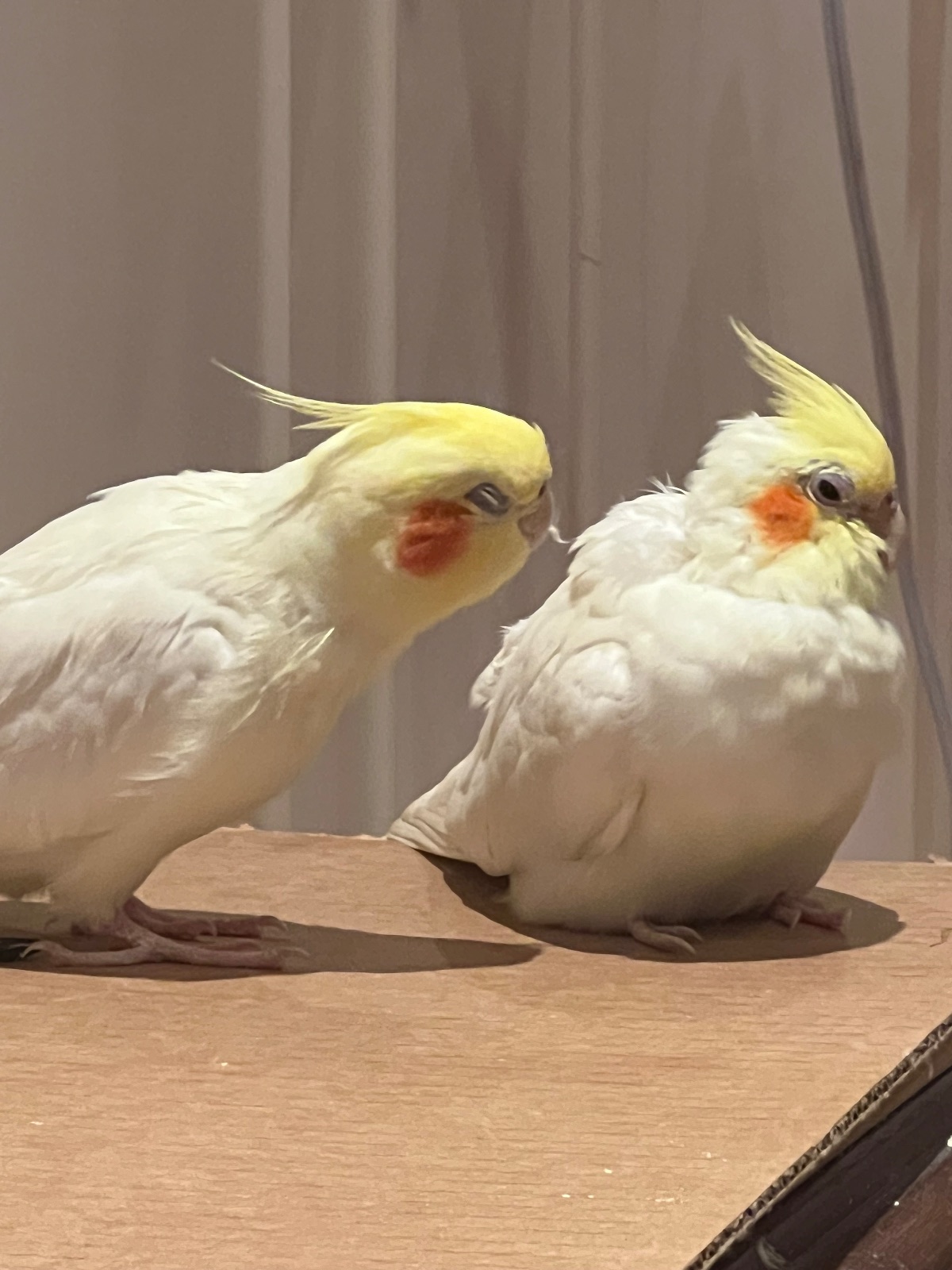
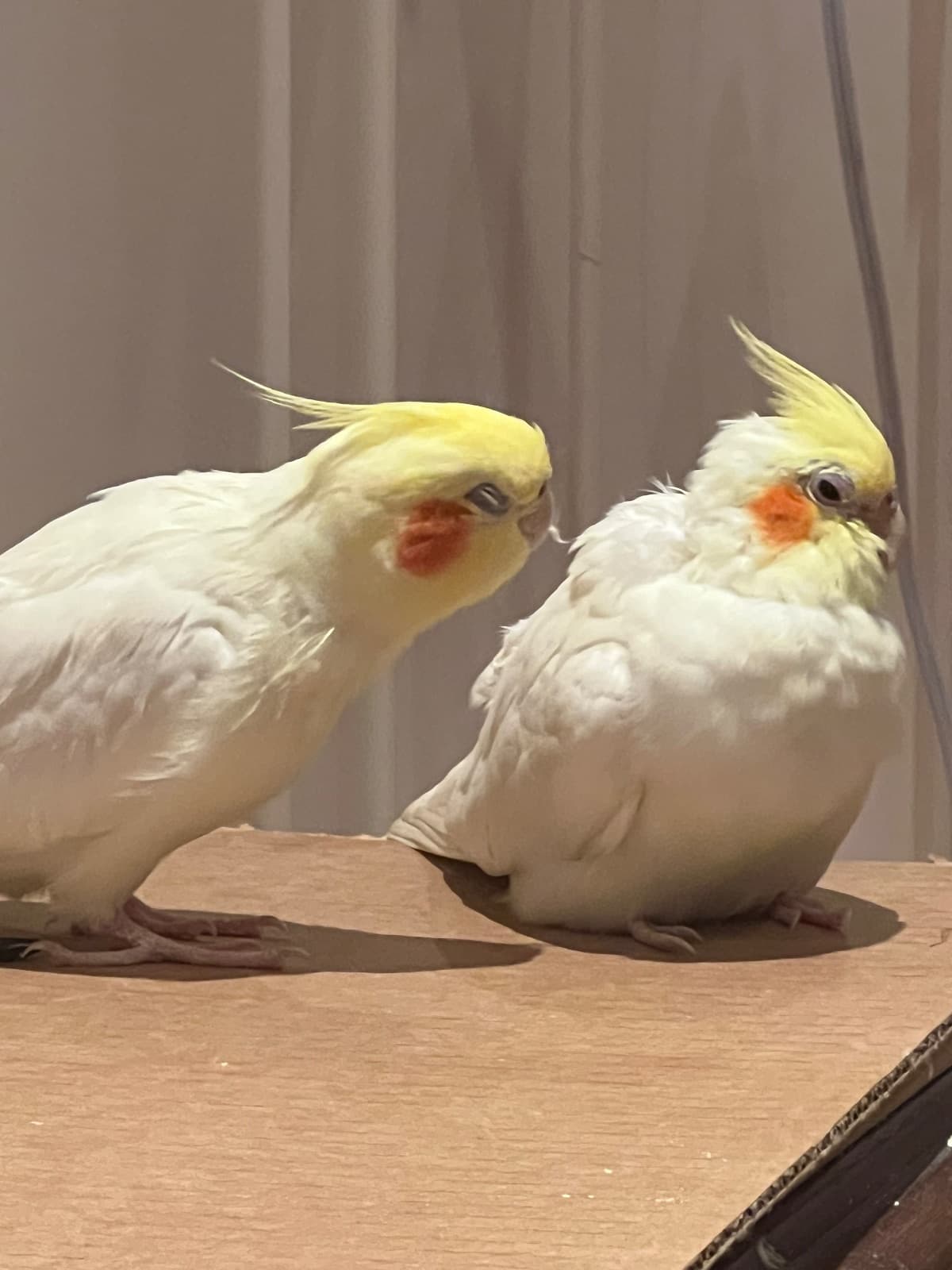
Birdy, a Cockatiel, might express hormonal behaviours through increased vocalization or territoriality.
Strategies for Managing Hormonal Behaviour
The good news is that many hormonal behaviours can be managed and even mitigated with environmental adjustments and consistent routines. The goal isn't to eliminate hormones entirely (which isn't possible or healthy), but to reduce the intensity and duration of these cycles.
1. Optimize Lighting and Sleep
One of the most impactful changes you can make is regulating your bird's light exposure. Birds need consistent, long periods of darkness to signal that it's not breeding season.
* 10-12 Hours of Uninterrupted Sleep: Ensure your bird gets a solid 10-12 hours of darkness every night. This means covering their cage completely with a breathable, opaque cover and ensuring they are in a quiet room free from artificial light (TVs, streetlights, device screens).
* Avoid Extended Daylight: Try not to expose your bird to more than 12-14 hours of light (natural or artificial) per day. If you're using full-spectrum lighting, ensure it's on a timer.
2. Adjust Diet
While a nutritious diet is always essential, during hormonal periods, you might need to adjust some aspects.
* Limit High-Fat/High-Protein Treats: Reduce or temporarily eliminate calorically dense treats like nuts, seeds (especially sunflower and safflower), and rich cooked foods that might signal an abundant food supply. Focus on a balanced diet of pellets, fresh vegetables, and some fruit.
* Ensure Adequate Calcium for Females: If your female bird is laying eggs, consult your avian vet about calcium supplements to prevent egg binding and other related issues. For avian vet recommendations in Toronto, see our guide on Finding the Right Avian Vet.
3. Discourage Nesting Behaviour
Remove anything that could be perceived as a nesting site or material.
* Remove Dark, Enclosed Spaces: If your bird has a happy hut, bird tent, or even a deep bowl they like to sit in, remove it during hormonal periods.
* Limit Shredding Materials (Temporarily): While enrichment is vital, if your bird is obsessively shredding paper or specific toys to build a nest, you might need to temporarily remove those items or replace them with less
Ready to welcome a feathered friend?
Browse birds currently available for adoption through BST.
Browse Available BirdsRelated Articles
Understanding and Preventing Boredom in Your Companion Bird
Discover how to identify and prevent boredom in your Toronto companion bird, ensuring a happy and mentally stimulated life for your feathered friend.
Jul 8, 2026
Enriching Your Bird's Life: Creating a Stimulating Environment in Toronto
Discover how to create a stimulating environment for your companion bird in Toronto, preventing boredom and promoting well-being with enrichment strategies.
Jul 4, 2026