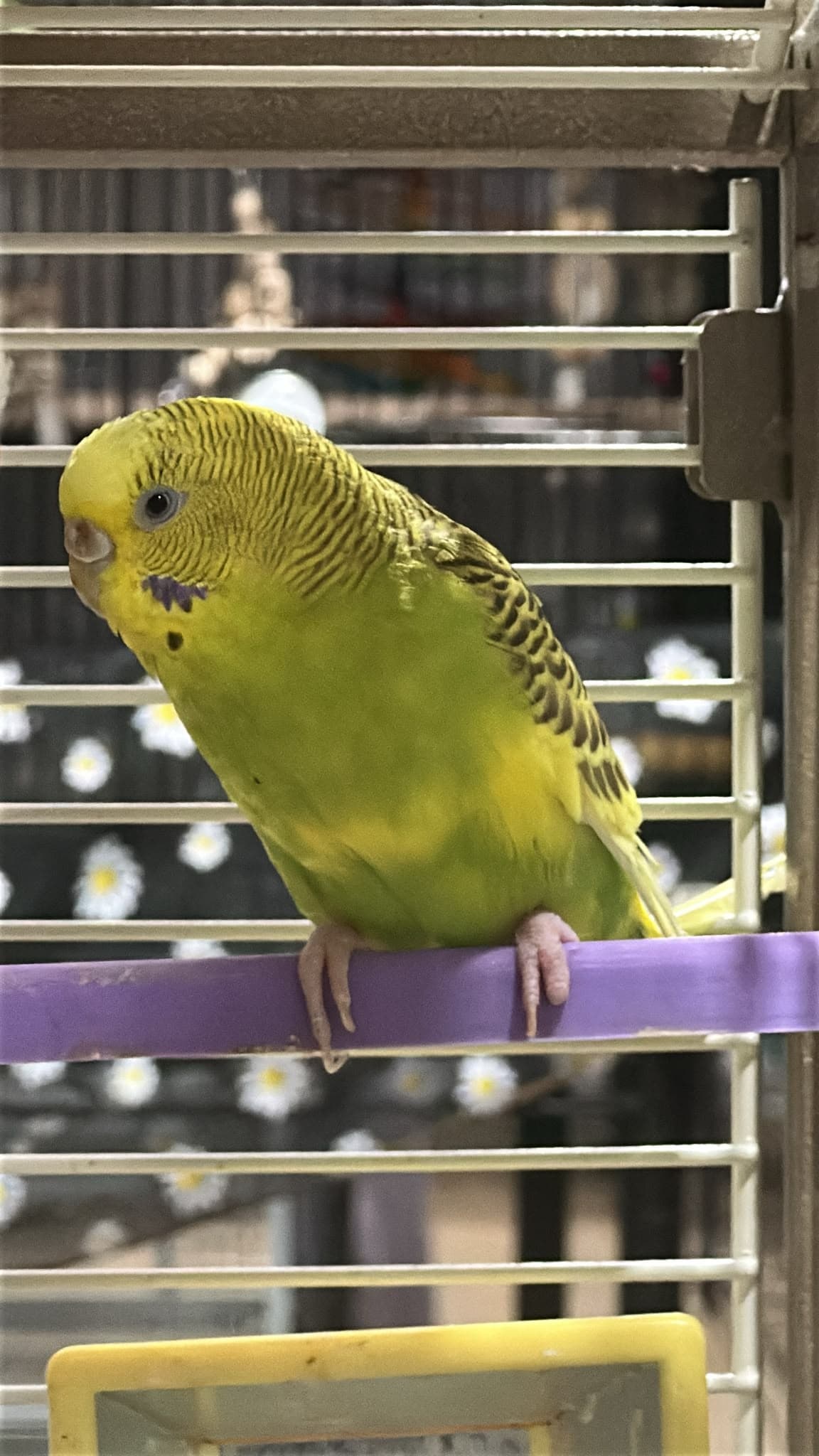
Enriching Your Bird's Life: Creating a Stimulating Environment in Toronto
Bringing a companion bird into your Toronto home is a rewarding experience, but providing proper care goes far beyond just food and water. Birds are intelligent, curious, and social creatures, and a lack of mental and physical stimulation can lead to boredom, stress, and even behavioural issues. Known in the bird world as 'enrichment,' providing a stimulating environment is crucial for your feathered friend's overall well-being. Think of it as keeping their minds and bodies active, just like we need to stay engaged to thrive.
In this guide, we'll explore practical ways to enrich your bird's life, helping them to live happier and healthier in their Toronto home.
Why Enrichment is So Important for Companion Birds
Imagine spending your entire life in a single room with nothing but the same four walls to look at. That's how a bird might feel without adequate enrichment. In the wild, birds spend their days foraging for food, building nests, interacting with flocks, and navigating complex environments. While we can't replicate the wild entirely, we can provide opportunities for similar natural behaviours.
Boredom in birds can manifest in various ways, including feather plucking, screaming, aggression, and repetitive behaviours. A well-enriched environment, on the other hand, encourages natural instincts, reduces stress, and strengthens the bond between you and your bird.
The Power of Play: Toys, Toys, and More Toys
Toys are not just for fun; they are essential tools for enrichment. Your bird's cage should be a playground, not just a place to perch. Toronto pet stores often have a good selection, but online retailers can offer an even wider variety. The key is to offer a diverse range of materials and textures to keep things interesting.
Consider different types of toys:
* Chew Toys: Birds need to chew to keep their beaks healthy and satisfy natural urges. Look for toys made from bird-safe wood, natural fibres (like untreated cotton or sisal), or even edible options like certain types of natural branches (ensure they are pesticide-free and non-toxic). Just like humans need good dental hygiene, birds need to keep their beaks trim and strong.
* Foraging Toys: These are fantastic for mental stimulation. Foraging toys encourage birds to 'work' for their treats, mimicking their natural behaviour of searching for food. You can hide seeds, nuts, or small pieces of fruit in puzzle-like toys, paper, or even crumpled-up paper towel rolls. Many birds, from small budgies to larger parrots, enjoy the challenge of figuring out how to get to a hidden snack.
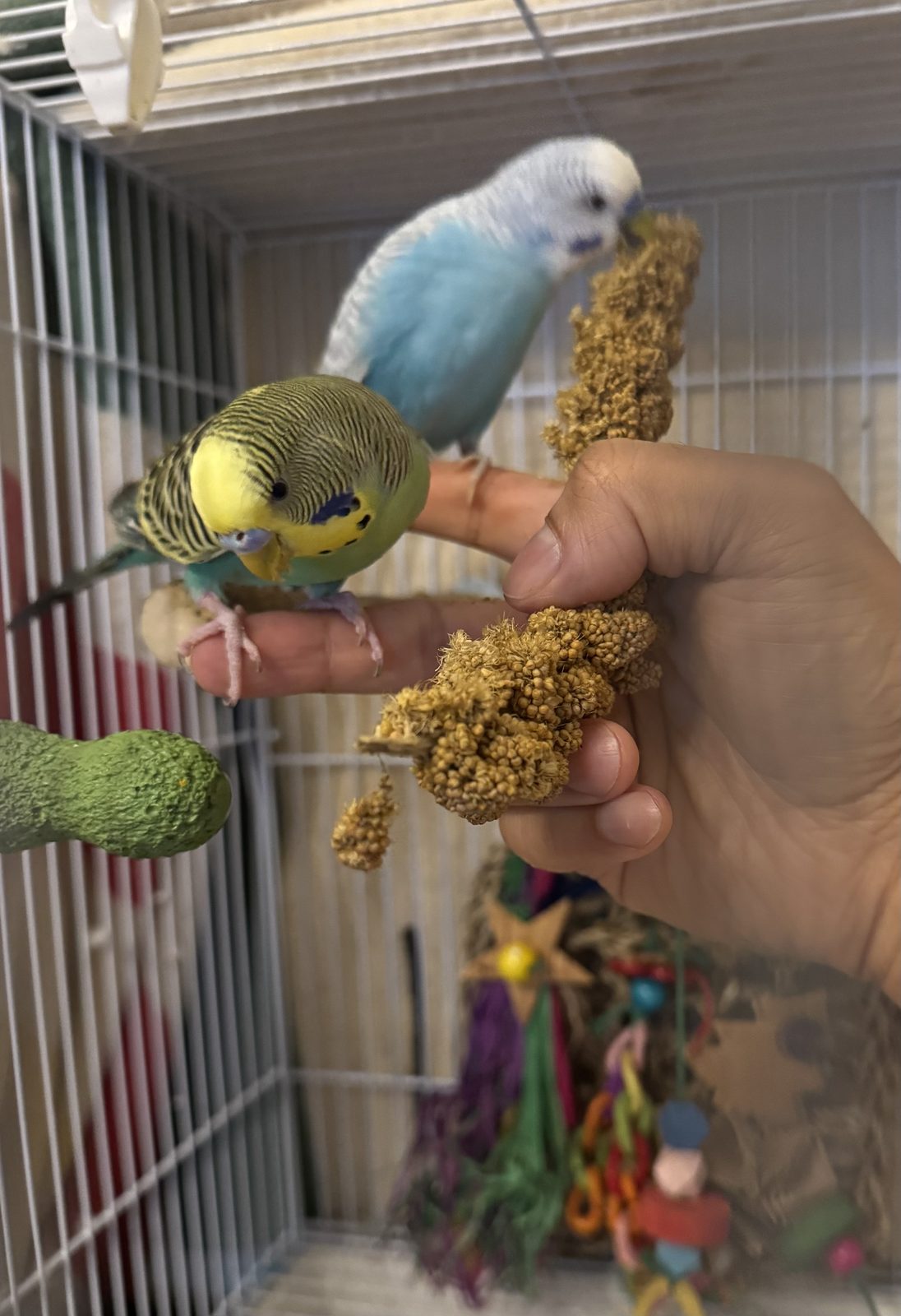
* _Urkel and Rio, a bonded budgie pair, showcasing the joy of companion birds._
* Shredding Toys: Many birds love to tear things apart. Unbleached paper, cardboard, phone books (without glossy pages), and palm-leaf toys are great for shredding. This provides an outlet for their destructive instincts in a safe and acceptable way.
* Puzzle Toys: These require problem-solving skills and can be highly engaging. They often involve manipulating parts to access a treat. Start with simpler puzzles and gradually increase the difficulty as your bird learns.
* Swings and Ladders: These provide opportunities for physical exercise and can be a lot of fun. Ensure they are securely fastened and appropriately sized for your bird.
Rotate toys regularly—every few days or once a week—to prevent boredom. A bird that sees the same toys day in and day out will quickly lose interest. Keep a stash of clean, unused toys ready to swap in.
Beyond the Cage: Out-of-Cage Time and Interaction
While toys in the cage are vital, dedicated out-of-cage time is equally important. This allows your bird to explore, stretch their wings, and interact with you and their environment.
* Supervised Playtime: Allow your bird supervised time outside their cage daily. This could be in a bird-safe room, on a play stand, or even perched on your shoulder. Ensure the area is thoroughly bird-proofed to prevent accidents. For readers in the GTA, remember to keep windows and doors securely closed, especially in urban environments where birds could easily fly away.
* Social Interaction: Birds are flock animals and thrive on social interaction. Spend quality time talking to your bird, offering gentle scratches (if they enjoy them), or simply letting them spend time near you as you go about your day. Even just being in the same room and chatting can make a big difference.
* Training: Simple trick training can be a fantastic way to engage your bird's mind and strengthen your bond. Teaching them to step up, wave, or even retrieve objects provides mental challenges and positive reinforcement. Consistency and patience are key here.
Environmental Enrichment: Making Their Space Dynamic
Consider the entire environment your bird lives in. It's not just about the cage; it's about the sounds, sights, and experiences within their home.
* Varied Perches: Offer perches of different materials, textures, and diameters (natural branches, rope perches, calcium perches) to keep your bird's feet healthy and prevent pressure sores. Avoid dowel perches as the sole option, as they don't offer enough variation for foot health.
* Natural Light and Fresh Air: Position your bird's cage where they can receive natural daylight (indirect sunlight is best, and avoid placing them in direct, unfiltered sun). Ventilate the room regularly, but be cautious of drafts and open windows where they could escape.
* Auditory and Visual Stimulation: Play soft music, talk radio, or even bird sounds (gently, not overwhelmingly) to provide auditory enrichment. Window perches can offer visual stimulation, allowing them to watch the world outside, but ensure they are safe from predators and direct sunlight.
* Bird-Safe Plants: Some bird-safe plants can be introduced into their environment for chewing and exploration. Always research thoroughly to ensure any plant is non-toxic to birds before introducing it.
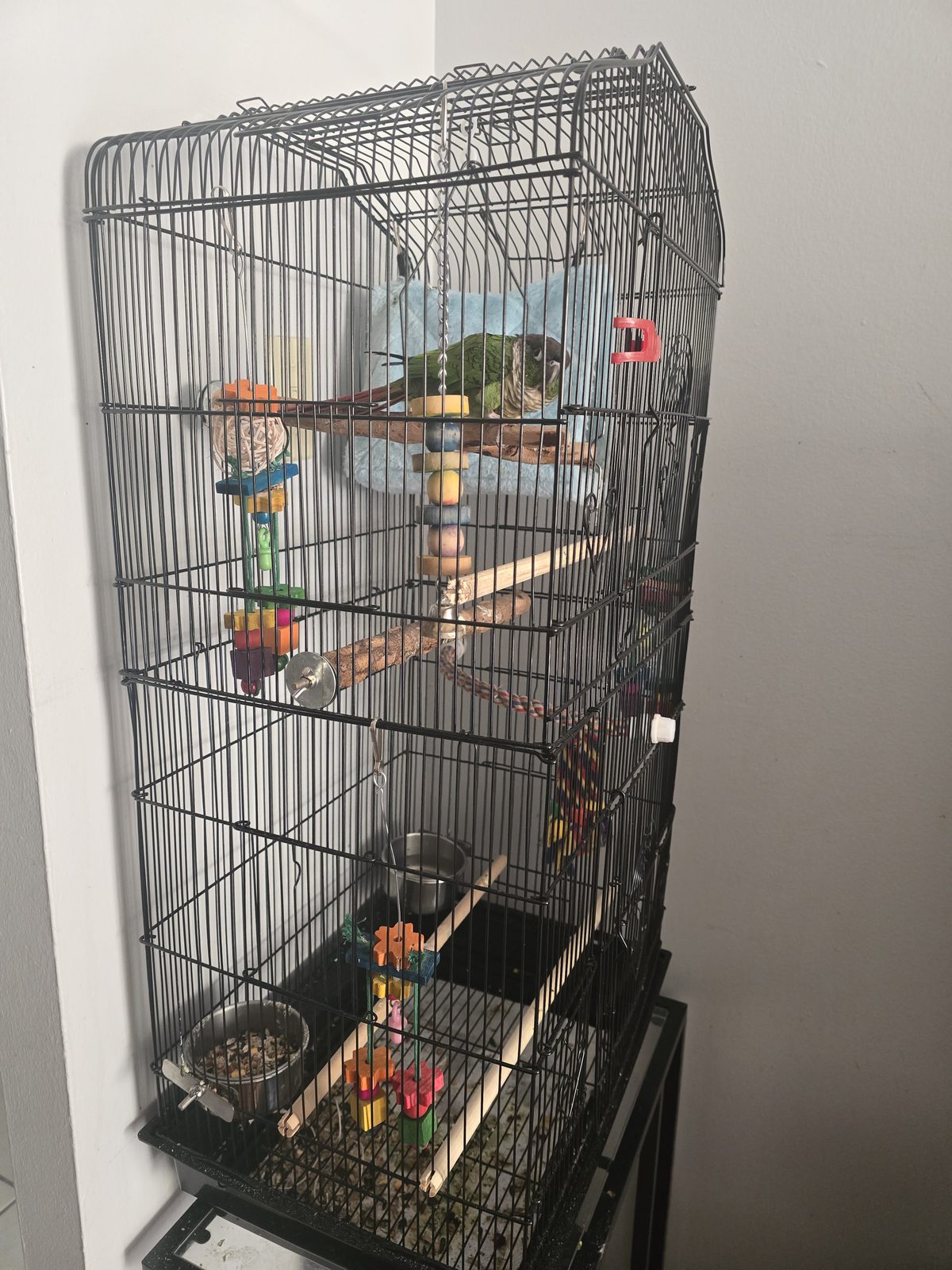
* _BabyBat, a beautiful Conure, enjoying a moment of curiosity, emphasizing the need for engagement._
The Role of Diet in Enrichment
Beyond providing healthy food, how you present it can also be a form of enrichment. Instead of just putting it in a bowl, try:
* Hidden Treats: Hide small portions of their favourite fresh foods in foraging toys or wrapped in paper. This makes mealtime an engaging activity.
* Scatter Feeding: If safe and hygienic, scatter a portion of their daily seeds or pellets on a clean tray for them to forage. This mimics how they would search for food in the wild.
* Variety is Key: Offer a wide variety of bird-safe fresh fruits, vegetables, and whole grains. This not only provides essential nutrients but also introduces new tastes and textures.
Consistency and Observation
Providing enrichment isn't a one-time task; it's an ongoing commitment. Regularly observe your bird's behaviour to see what they enjoy and what keeps them engaged. Some birds prefer shredding, others love puzzles, and some just want to be close to you. Tailor your enrichment efforts to your individual bird's personality and preferences.
If you're considering welcoming a feathered friend into your Toronto home, remember that providing a stimulating and enriching environment is key to their happiness and health. Start strong by visiting our [browse adoptable birds](/), or if you're looking for a specific type of bird, consider joining our [adoption waitlist](/waitlist). We encourage every future bird owner to commit to offering a life full of joyful engagement.
Ready to give a bird a new nest full of enrichment? Explore the wonderful birds waiting for their forever homes today, or if you need to rehome a bird, learn more about our portal at [rehoming a bird](/rehome).
Ready to welcome a feathered friend?
Browse birds currently available for adoption through BST.
Browse Available BirdsRelated Articles
Bird Emergency Evacuation Plan: How Toronto Owners Can Prepare
Prepare a bird emergency evacuation plan for Toronto: make a carrier routine, gather supplies, and know what to do during a fire or power outage.
Oct 7, 2026
How Much Does It Cost to Own a Pet Bird in Toronto? A Realistic Budget Guide
Plan for the real cost of owning a pet bird in Toronto, from adoption and setup to food, supplies, and avian veterinary care.
Oct 4, 2026