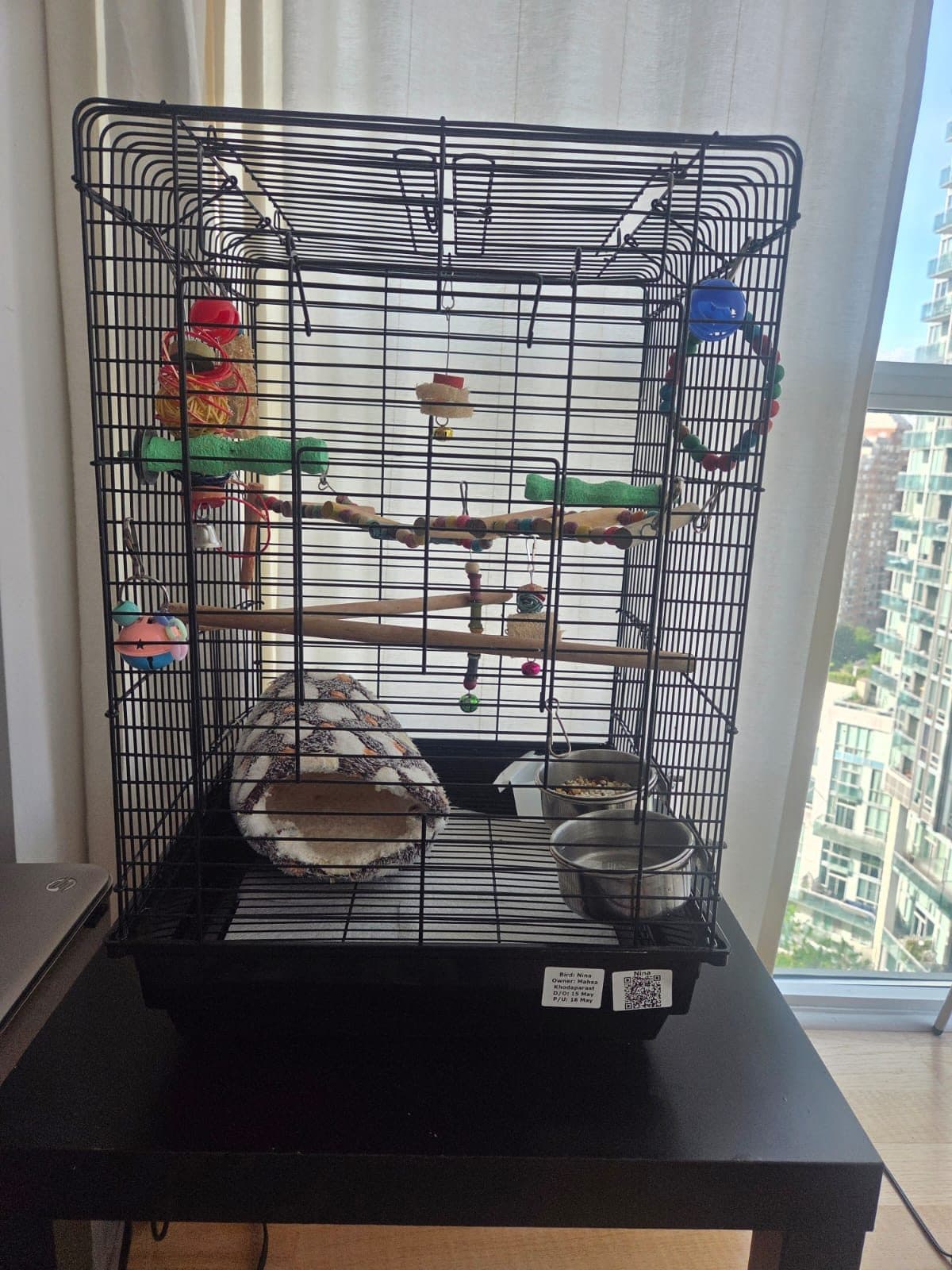
Introducing Your Bird to New Foods: A Toronto Adopter's Guide
One of the most rewarding aspects of companion bird ownership is seeing your feathered friend thrive, and a varied, nutritious diet is central to their well-being. While many birds come to us with established eating habits, often consisting primarily of seeds, transitioning them to a more diverse diet including fresh vegetables, fruits, and quality pellets is crucial for their long-term health. This guide will walk Toronto and GTA bird owners through the process of introducing new foods to their avian companions, ensuring a successful and stress-free experience for everyone involved.
Why a Varied Diet Matters
Imagine eating the same food every single day. Not only would it be boring, but it would also likely lead to nutritional deficiencies. The same goes for our birds. A seed-only diet, while palatable, is often high in fat and low in essential vitamins and minerals. It's like a child eating only french fries; they might like it, but it's not healthy. A rich diet featuring a wide array of fresh produce and a high-quality pelleted diet provides the comprehensive nutrition birds need to maintain strong immune systems, vibrant feathers, and high energy levels. For adoptable birds, especially those from an unknown background, a varied diet can help boost their overall health as they settle into their new homes in the GTA.
Starting Slow and Being Patient
The key to successful dietary transitions is patience. Birds are naturally cautious, and new objects or foods can be viewed with suspicion. Don't expect your bird to gobble down a new piece of broccoli on the first try. It’s a process of gradual introduction and positive reinforcement. Dedicate a specific time each day for offering new foods, perhaps when your bird is most active and receptive, usually in the morning or early evening. Consistency is more important than quantity.
The Presentation is Key
How you present new foods can make a big difference. Think about your bird's natural instincts. In the wild, they forage and explore. We can replicate this to an extent:
* Chop it Up: Birds often prefer smaller, bite-sized pieces. Large chunks can be intimidating. Finely chop vegetables like bell peppers, carrots, and leafy greens. For harder items like squash, you might even steam them lightly to soften them before chopping.
* Mix it In: Try mixing a tiny bit of the new food with their favourite seeds or pellets. Slowly increase the ratio of new food over time. This works particularly well for birds that are very attached to their current diet.
* Hang it Up: Some birds enjoy pulling and tearing at foods. Clip a piece of spinach or a small stalk of broccoli to the side of the cage, making it a fun foraging activity.
* Lead by Example (Carefully): Sometimes, birds are more inclined to try something if they see you eating it. Make a show of enjoying a healthy piece of fruit or vegetable yourself (ensuring it's bird-safe!) and then offer a small piece to your bird. Never offer food from your mouth or anything that has touched your saliva, as human bacteria can be harmful to birds.
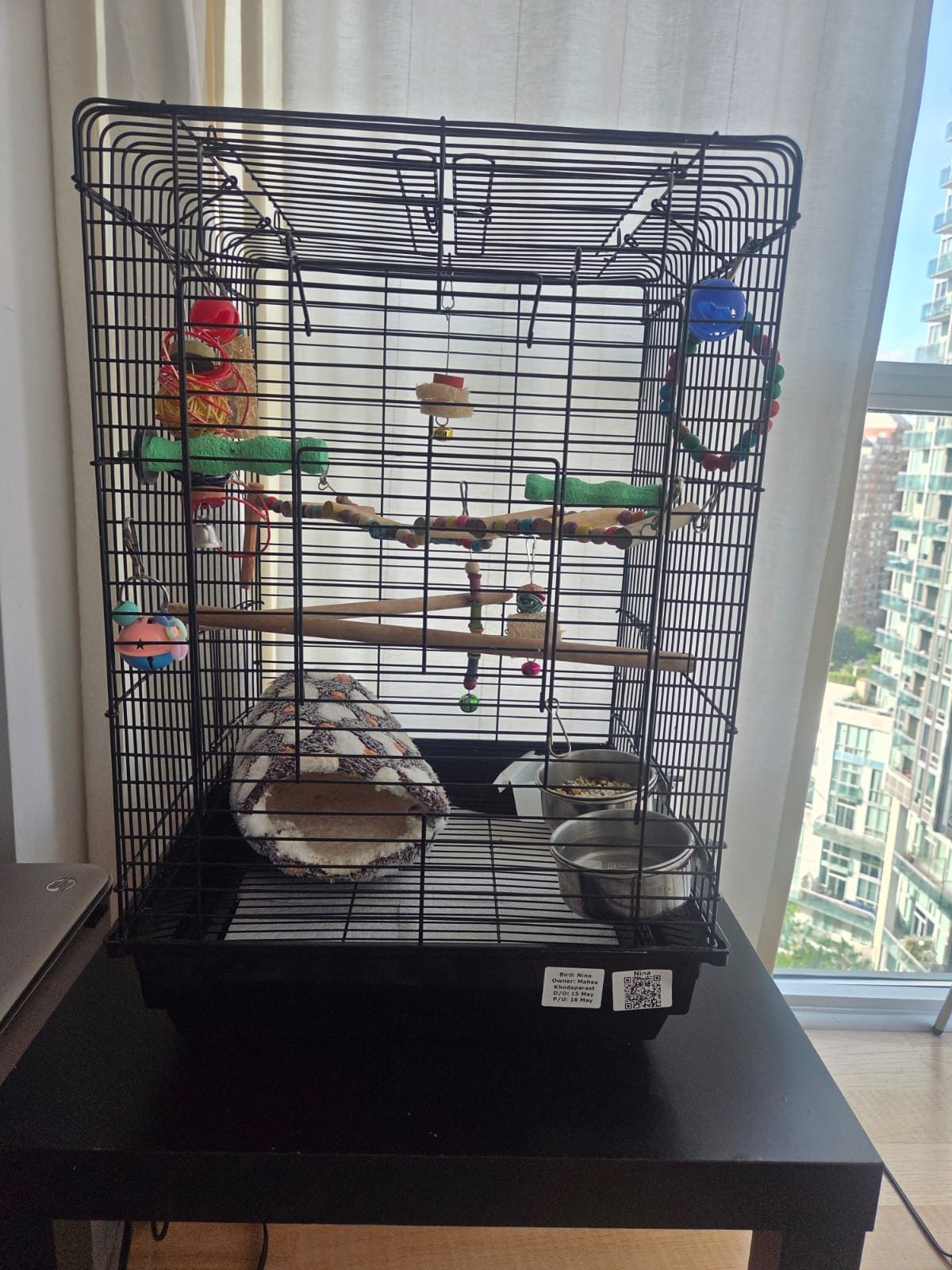
Nina, a Green-Cheek Conure, inspecting a potential new snack.
What Foods to Offer (and Avoid)
There's a vast world of healthy foods for your bird. Focus on dark, leafy greens, brightly coloured vegetables, and a variety of fruits (in moderation due to sugar content). Here’s a brief list, but always research specific items for your bird's species:
Excellent Choices:
* Vegetables: Broccoli, spinach, kale, carrots, sweet potato, bell peppers (all colours), zucchini, corn, green beans.
* Fruits: Apple (no seeds), banana, berries, mango, melon, papaya, pear.
* Grains (cooked): Quinoa, brown rice, whole-wheat pasta.
* Legumes (cooked): Lentils, chickpeas.
Foods to Never Offer:
* Avocado
* Chocolate
* Alcohol or caffeine
* Fruit seeds/pits (like apple seeds, cherry pits)
* Onions and garlic
* Mushrooms
* Rhubarb
* Processed human foods (candy, chips, etc.)
* Dairy products (birds are lactose intolerant)
Remember, fresh, clean water must always be available. For more details on species-specific dietary needs, check out our [species guides](/species).
Making Pellets Appealing
If your bird is primarily on a seed diet, transitioning to pellets is often the biggest challenge but also one of the most beneficial changes. Pellets are scientifically formulated to provide complete nutrition. Here are some tactics:
* Slow Introduction: Start by mixing a small amount of pellets with their regular seed mix, gradually increasing the pellet ratio. Observe your bird closely to ensure they are actually eating the pellets and not just picking around them.
* Crush Them: Some birds find whole pellets intimidating. Try crushing them into a powder and sprinkling them over moist, chopped vegetables or a tiny amount of favourite fruit.
* Wean Off Seeds: Once a bird shows interest in pellets, you can start reducing the amount of seeds offered, perhaps offering seeds only for a short period each day. Ensure your bird is consistently eating pellets before significantly reducing seeds.

BabyBat, a Conure, showing interest in a new, healthy snack.
Monitoring and Patience
During this transition, it’s crucial to monitor your bird's droppings, weight, and general activity level. Any significant changes might indicate they aren't eating enough. If you’re concerned, consult an avian veterinarian; there are several excellent ones serving the Toronto and GTA area. The process can take weeks, even months, for some birds. Don't get discouraged if your bird initially turns up their beak at new offerings. Consistency and variety in presentation are your best tools.
Enrichment Through Food
Introducing new foods isn't just about nutrition; it's also a fantastic form of environmental enrichment. The act of exploring, tearing, and tasting different textures and flavours keeps your bird mentally stimulated. You can even turn mealtimes into foraging games by hiding small bits of healthy food in foraging toys. This mimics their natural behaviours and makes eating more engaging.
Ultimately, providing a diverse, healthy diet is one of the greatest gifts you can give your companion bird. It contributes not only to a longer, healthier life but also to a more fulfilled and happy feathered friend. Take the time, be patient, and enjoy the journey of discovering your bird's new favourite healthy treats.
Looking to welcome a new feathered member into your Toronto home? Explore the wonderful birds waiting for adoption on our portal today! [/]
Ready to welcome a feathered friend?
Browse birds currently available for adoption through BST.
Browse Available BirdsRelated Articles
Bird Emergency Evacuation Plan: How Toronto Owners Can Prepare
Prepare a bird emergency evacuation plan for Toronto: make a carrier routine, gather supplies, and know what to do during a fire or power outage.
Oct 7, 2026
How Much Does It Cost to Own a Pet Bird in Toronto? A Realistic Budget Guide
Plan for the real cost of owning a pet bird in Toronto, from adoption and setup to food, supplies, and avian veterinary care.
Oct 4, 2026