Understanding and Managing Common Bird Noises: A Toronto Guide
Bringing a companion bird into your Toronto home is a joy, filled with unique personalities and, often, a vibrant soundscape! Birds communicate primarily through vocalizations, and learning to interpret these sounds is a key part of building a strong bond with your feathered friend. While chirps and songs can be delightful, understanding when noises signify stress, boredom, or a need for attention, and how to manage excessive vocalizations, is crucial for a happy household. This guide will walk you through common bird noises and offer practical tips for a peaceful coexistence.
The Language of Chirps, Squawks, and Songs
Birds use a surprisingly wide range of sounds to express themselves. Here's a breakdown of what some common vocalizations might mean:
* Happy Chirps and Melodies: Many birds, especially species like budgies and canaries, will vocalize with soft chirps, whistles, and songs when they are content, exploring their environment, or interacting with you calmly. This is often a sign of a happy, healthy bird.
* Alarm Calls: A sharp, repetitive, and often louder call can indicate alarm or fear. Your bird might be reacting to a perceived threat, like a hawk outside the window, a sudden loud noise, or even a new object in their enclosure. Pay attention to their body language alongside these calls.
* Contact Calls: Birds are flock animals, and in your home, you are their flock. They might make specific 'contact calls' if they can't see or hear you, essentially asking, "Where are you? Are you okay?" Responding with a verbal acknowledgement helps reassure them.
* Screaming/Loud Squawking: This is often the most challenging vocalization for owners. Persistent loud squawking or screaming can be a sign of boredom, loneliness, seeking attention, fear, or even pain. It's vital to investigate the root cause rather than just trying to silence the sound. A bird that feels ignored or isn't getting enough mental stimulation may resort to screaming to get your attention.
* Mimicry: Many parrot species are expert mimics, and their vocalizations can include words, phrases, and even environmental sounds. This is part of their natural intelligence and a wonderful aspect of having these birds, but it's important to remember they're not always 'talking' with intent – they're often just repeating what they've heard.
Why is My Bird So Noisy? Identifying the Root Cause
Before you can address excessive noise, it's essential to understand why your bird is vocalizing. Here are some common reasons:
1. Seeking Attention or Company
Birds are social creatures. If your bird is in a room alone for extended periods or feels neglected, they may vocalize loudly to get your attention. Ensure they get enough one-on-one time, even if it's just you being in the same room.
2. Environmental Factors
* Boredom: A bird without enough enrichment is a bored bird, and a bored bird is often a noisy bird. Lack of stimulating toys, foraging opportunities, and social interaction can lead to excessive screaming.
* Changes in Routine or Environment: Even subtle changes, like moving furniture or a new family member, can stress a bird and lead to increased vocalization.
* Time of Day: Many bird species have natural periods of vocalizations, such as at dawn and dusk, when wild birds are most active. This is often normal and to be expected.
3. Lack of Sleep
Just like humans, birds need adequate sleep, typically 10-12 hours in a dark, quiet environment. If your bird isn't getting enough restful sleep, they can become cranky and more prone to loud vocalizations.
4. Health Issues
While less common, a sudden increase in vocalization, particularly if accompanied by changes in behavior, appetite, or droppings, could indicate a health problem. If you suspect your bird is unwell, consult a trusted avian vet in the GTA promptly.
Practical Strategies for Managing Excessive Bird Noise
Once you've identified the potential reasons behind your bird's vocalizations, you can implement strategies to manage them effectively.
1. Enrichment is Key
Provide plenty of engaging toys. Rotate them regularly to keep things fresh. Offer foraging opportunities where your bird has to 'work' for their treats. Explore DIY enrichment toys that your bird will love to keep them mentally stimulated.
2. Establish a Routine and Boundaries
* Consistent Interaction: Dedicate specific times for interaction and play. This helps fulfill their social needs without reinforcing constant screaming for attention.
* Ignore Unwanted Noise: This can be challenging, but it's crucial. If your bird screams and you immediately respond, you're teaching them that screaming gets your attention. Only reward quiet behavior with attention, treats, or toys.
* Cover the Cage: If your bird is screaming for attention, sometimes covering their cage for a few minutes (ensuring they have adequate ventilation and light filtering) can signal 'quiet time.' Uncover once they are quiet.
3. Promote Good Sleep Habits
Ensure your bird gets 10-12 hours of uninterrupted sleep in a dark, quiet room. A heavy cage cover can help, especially in busy Toronto homes with ambient light or noise. If they are in a high-traffic area, consider moving their cage to a quieter room at night.

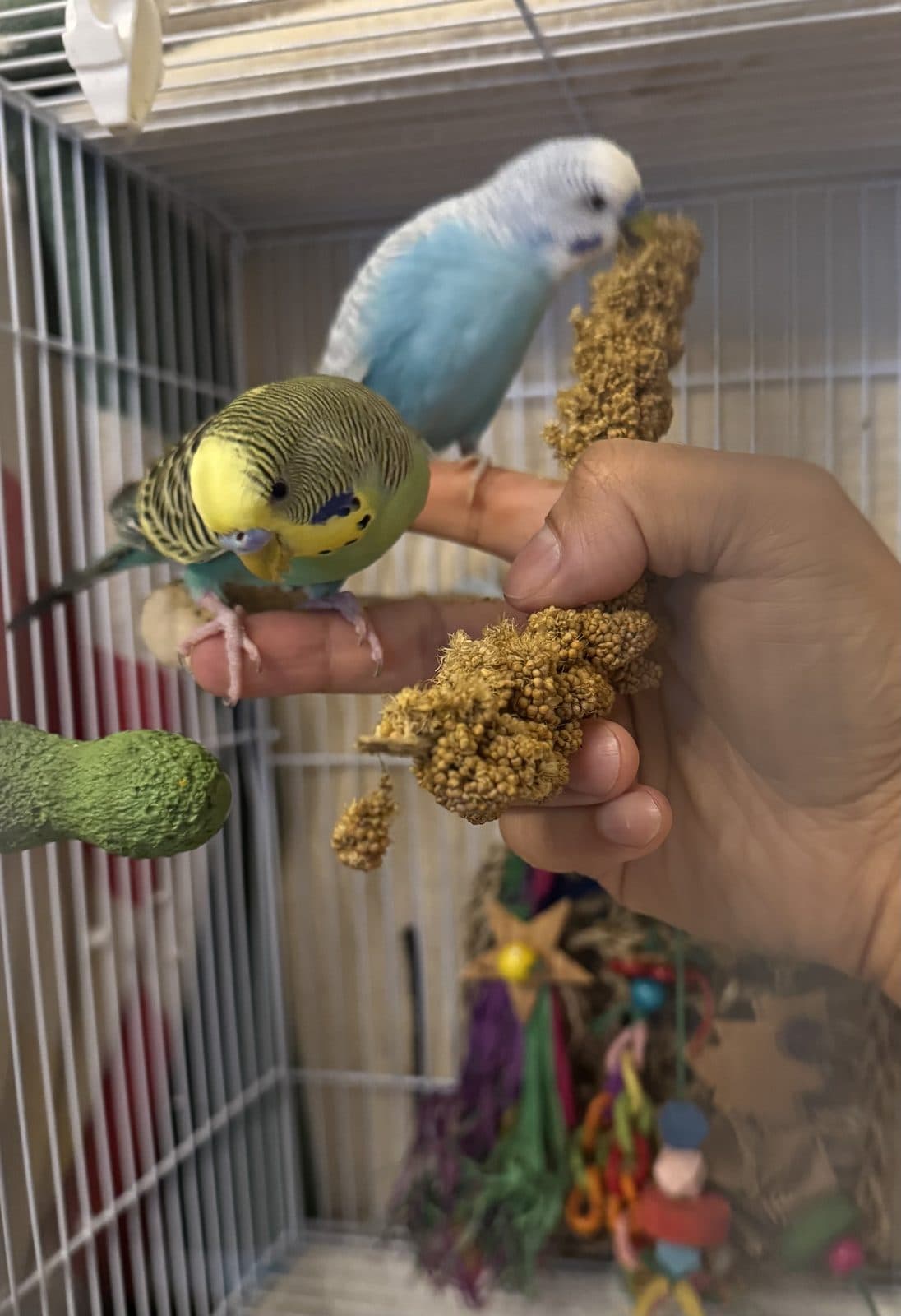
Urkel and Rio, happy budgie companions, enjoying some quiet time.
4. Positive Reinforcement and Training
Reward quiet behavior with praise or a small treat. You can also teach a 'quiet' command. When your bird is vocalizing calmly, say "quiet" in a gentle tone and immediately reward them. Over time, they may associate the word with reducing their vocalizations.
5. Consider Their Species Needs
Some species are naturally louder than others. Always research the typical vocalization levels of a species before committing to adoption. For example, some conures, while charming, can be quite vocal. If you're looking for a quieter companion, budgies or finches might be more suitable. You can explore various [species guides](/species) to learn more.
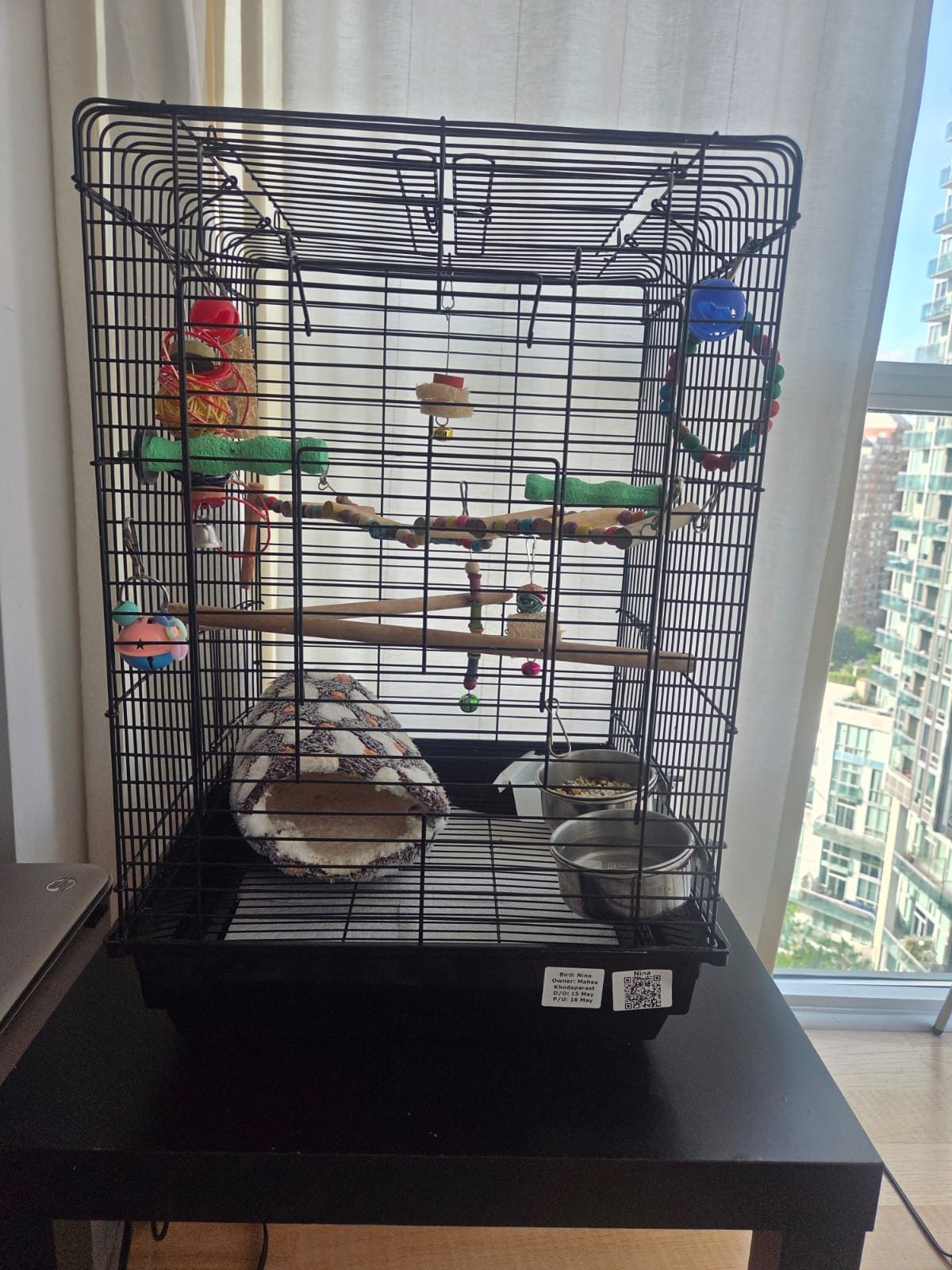
Nina, a clever Green-Cheek Conure, ready for some stimulating interaction.
6. Soundproofing and Location
Placement of the cage can make a difference. If your bird's cage is directly next to a window overlooking a busy street, they might be reacting to external stimuli. Consider moving the cage to a quieter area of your home if excessive external noise is a factor. For those in denser areas of Toronto, reducing external stimuli can be helpful.
A Harmonious Home for You and Your Bird
Understanding your bird's vocalizations is a journey, not a destination. With patience, consistency, and a little detective work, you can create a harmonious environment for both you and your feathered family member. Remember, your bird isn't being 'naughty' – they're communicating a need or feeling. By addressing those underlying needs, you can foster a happier, quieter companion.
Ready to bring a communicative companion into your life? Explore our wonderful birds available for adoption in the Toronto and GTA area. [Browse adoptable birds](/).
Ready to welcome a feathered friend?
Browse birds currently available for adoption through BST.
Browse Available BirdsRelated Articles
Bird Emergency Evacuation Plan: How Toronto Owners Can Prepare
Prepare a bird emergency evacuation plan for Toronto: make a carrier routine, gather supplies, and know what to do during a fire or power outage.
Oct 7, 2026
How Much Does It Cost to Own a Pet Bird in Toronto? A Realistic Budget Guide
Plan for the real cost of owning a pet bird in Toronto, from adoption and setup to food, supplies, and avian veterinary care.
Oct 4, 2026