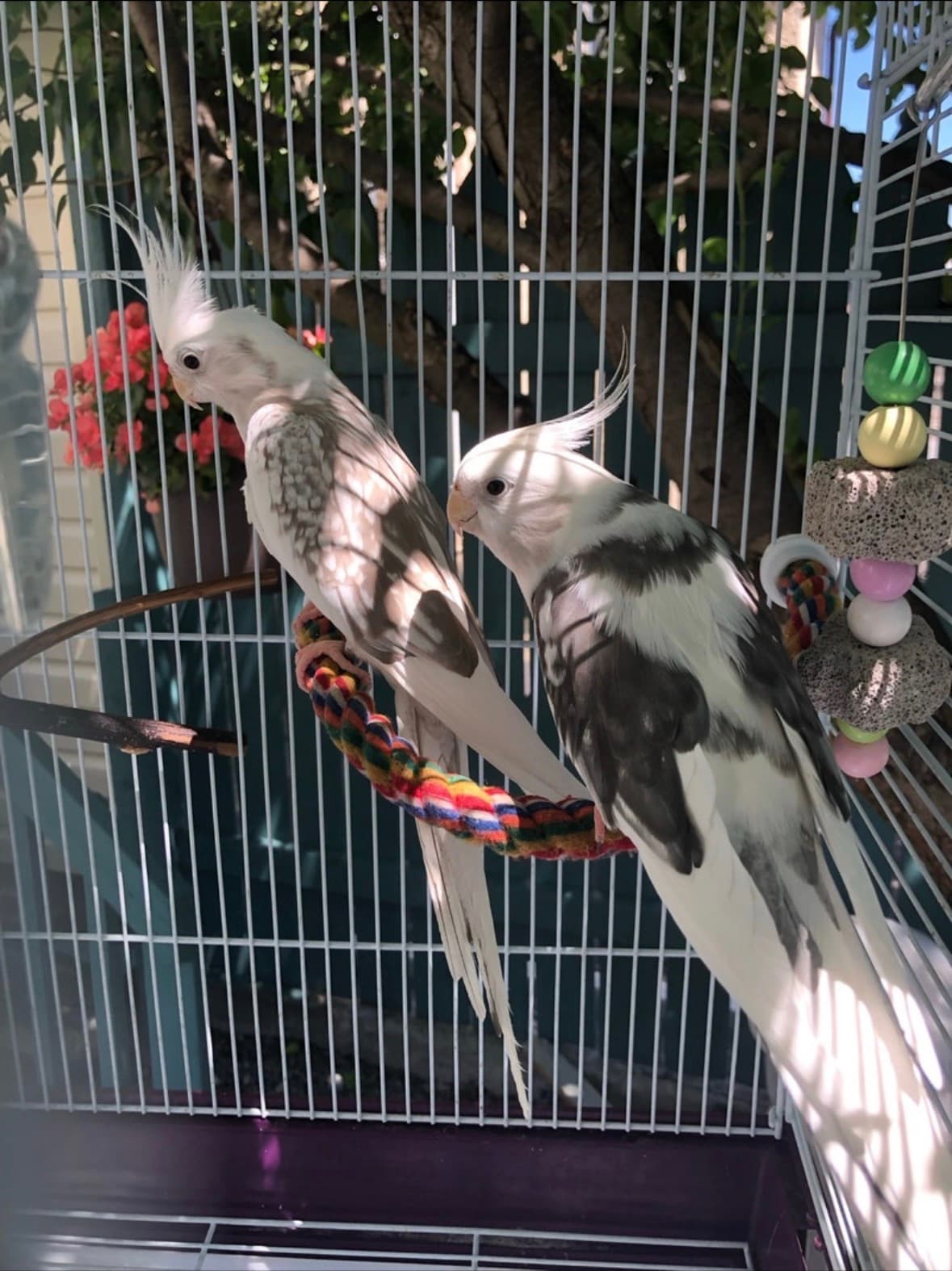
Understanding and Preventing Night Frights in Your Companion Bird: A Toronto Guide
Waking up to the sudden, frantic flapping and crashing sounds of your bird in the middle of the night can be a truly startling and distressing experience for any bird owner. This phenomenon, often referred to as a ‘night fright,’ is more common than you might think, especially in species like budgies, cockatiels, and conures. For bird lovers in Toronto and the GTA, understanding why these episodes occur and how to prevent them is crucial for your bird's well-being and your own peace of mind.
Night frights are sudden, intense episodes of panic that birds experience while sleeping. They often involve the bird thrashing violently in their cage, attempting to fly in the dark, and can result in injury, broken feathers, or even more severe trauma. Let's delve into the causes and, more importantly, the solutions to help your feathered companion sleep soundly.
What Causes Night Frights?
Several factors can contribute to night frights, often involving a bird's natural instincts and their nocturnal environment. Birds are prey animals, and their heightened senses make them particularly susceptible to perceived threats, even in their sleep.
Sudden Noises or Movement
One of the most common triggers is an unexpected noise. This could be anything from a car backfiring, a cat jumping on a counter, a creaking floorboard, or even a sudden shift in furniture. Birds have excellent hearing, and what might seem like a minor sound to us can be amplified and interpreted as a predator's approach in their sleeping state.
Shadows and Changes in Light
A fleeting shadow cast by headlights through a window, moonlight moving across the room, or even a digital clock's glowing numbers can be misinterpreted by a sleeping bird. Their vision, while often excellent in daylight, is not designed for low-light conditions, making shadows appear much more menacing.
Perceived Threats from Other Pets
If you have other pets, especially cats or dogs, their nocturnal movements or sounds near the bird's cage can easily trigger a fright. A curious sniff or a playful pounce could send a bird into a panic.
Unfamiliar Objects or Environment
Birds are creatures of habit. If you've recently moved their cage, introduced new items to their room, or even changed the cage's setup, these unfamiliar elements can contribute to anxiety at night. This is particularly relevant for newly adopted birds who are still adjusting to their Toronto home.
Poor Perching or Unstable Cage Items
An unstable perch that moves or falls, or toys that swing unexpectedly, can startle a sleeping bird. Ensuring a secure and comfortable sleeping arrangement is paramount.
Preventing Night Frights: Practical Strategies
Fortunately, many night frights are preventable with a few thoughtful adjustments to your bird's nocturnal environment and routine.
Create a Dark, Quiet, and Safe Sleeping Space
This is perhaps the most crucial step. Your bird's cage should be in a room that can be made dark and quiet. Consider using blackout curtains to block out external lights, especially if you live in a busy Toronto neighbourhood. Minimise ambient noise from TVs, conversations, or other pets.
Use a Night Light
While complete darkness can sometimes be a trigger (as birds can't see potential dangers), a very dim night light can offer a sense of security. A small, low-wattage night light placed discreetly near the cage can provide just enough illumination for your bird to orient themselves if startled, preventing them from crashing into cage bars. Avoid bright or flashing lights.
Cover the Cage Effectively
A breathable cage cover can be immensely helpful. It helps to block out light and reduces external disturbances. Ensure the cover is opaque enough to create a dark environment but also allows for adequate air circulation. Many bird owners in the GTA find a dark, thick blanket works well, as long as it's bird-safe and doesn't trap heat.
Secure Perches and Toys
Double-check that all perches are firmly attached and stable. Toys should be securely fastened and not prone to sudden, unexpected movements. Remove any toys that could become a hazard in the dark.
Establish a Consistent Bedtime Routine
Birds thrive on routine. A consistent bedtime, even on weekends, helps them feel secure. Dimming the lights gradually and covering the cage at the same time each night signals to your bird that it's time to rest. This predictability can significantly reduce anxiety.
Minimise Disturbances from Other Pets
If you have cats or dogs, ensure they cannot access or disturb your bird's cage at night. This might mean keeping them in a separate room or using a baby gate to restrict access. Safety is key for both your bird and your other companions.
Monitor Environmental Changes
Be mindful of any new items introduced into the bird's room or any changes to the cage setup. Introduce new toys or perches gradually and during daylight hours so your bird can get accustomed to them before nightfall.
Respond Calmly to Frights
If your bird does experience a night fright, approach the cage calmly and switch on a soft light. Speak to your bird in a soothing voice. Avoid startling them further by making sudden movements or loud noises. Once they have calmed down, check for any injuries and offer reassurance. Some birds appreciate a gentle stroke (if they are used to being handled) or a quiet moment of presence.
If you're considering welcoming a new feathered friend into your Toronto home, understanding their unique needs, including preventing night frights, is a vital part of responsible ownership. Birds, whether they are budgies like Snow or the delightful Neppy, thrive in predictable, safe environments.
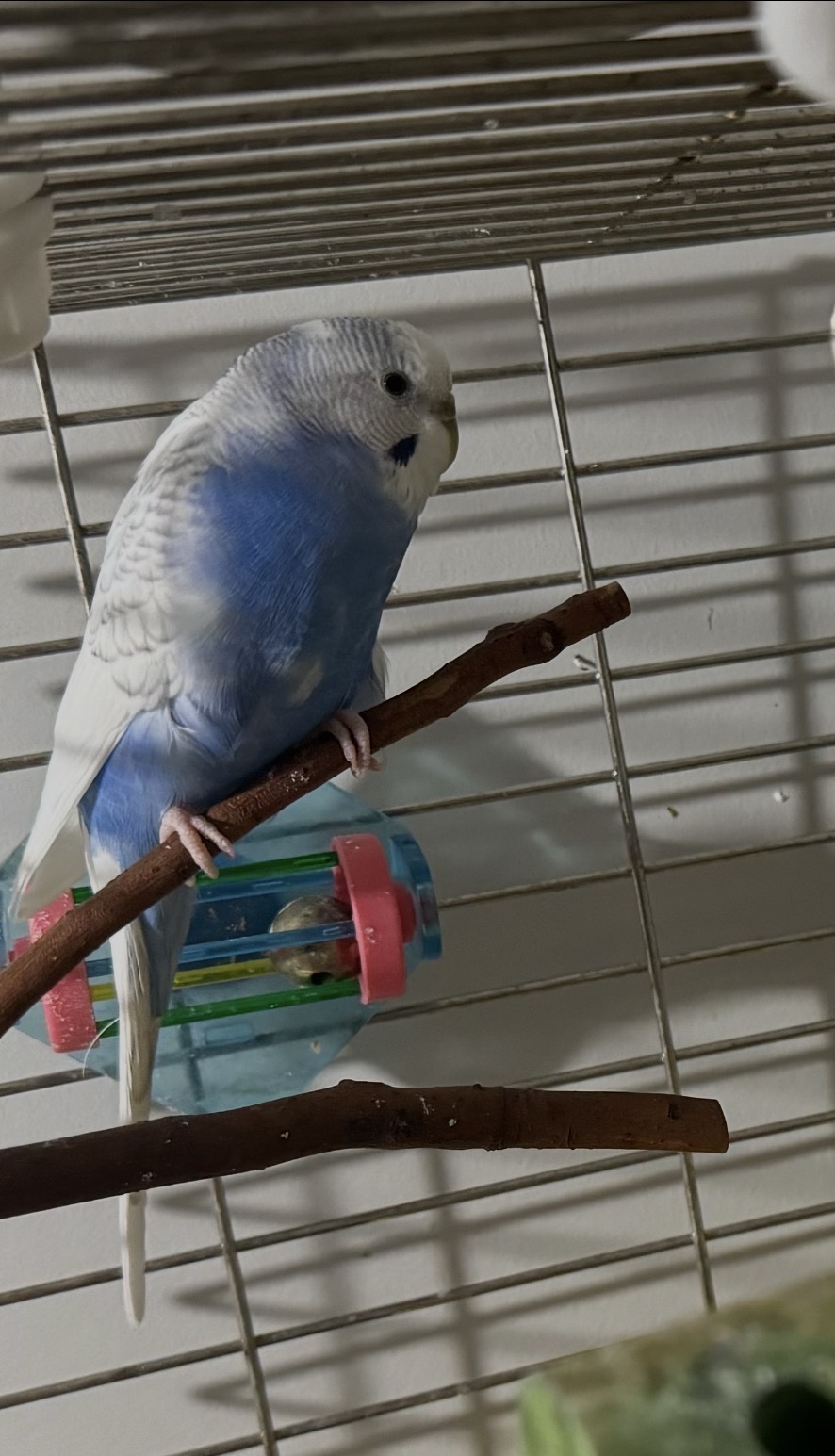
Snow, a budgie, demonstrates the calm presence birds bring when they feel secure.
Remember, a well-rested bird is a happy and healthy bird. By implementing these strategies, you can help ensure your avian companion enjoys peaceful, uninterrupted sleep, fostering a stronger bond between you. If you are looking to learn more about specific species, check out our selection of /species guides. And if you’re ready to open your heart and home to a feathered friend in need, consider browsing our / and see the wonderful birds available for adoption through Bird Sitting Toronto's Rehoming Portal.
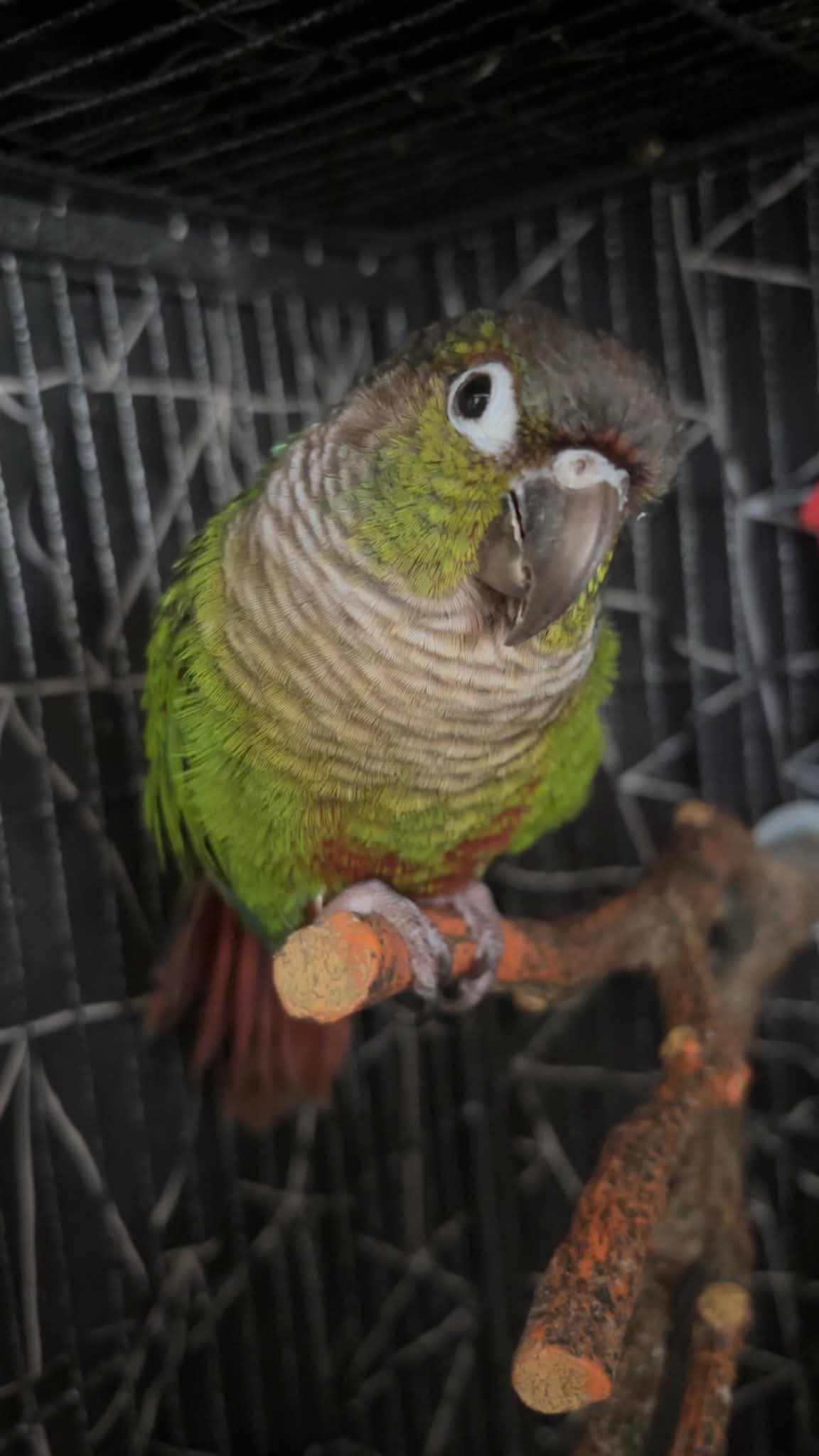
Neppy, a Conure, enjoying a quiet moment.
If you're considering rehoming a bird yourself, please visit our /rehome page for compassionate and supportive guidance.
Ready to welcome a feathered friend?
Browse birds currently available for adoption through BST.
Browse Available BirdsRelated Articles
Minimizing Stress for Your Newly Adopted Bird in Toronto
Learn essential strategies to help your newly adopted bird acclimate to its new Toronto home with minimal stress, fostering a strong bond.
Sep 20, 2026
Understanding and Managing Screaming in Companion Birds: A Toronto Guide
Learn how to understand and effectively manage common screaming behaviours in companion birds, ensuring a harmonious home environment in Toronto.
Sep 17, 2026