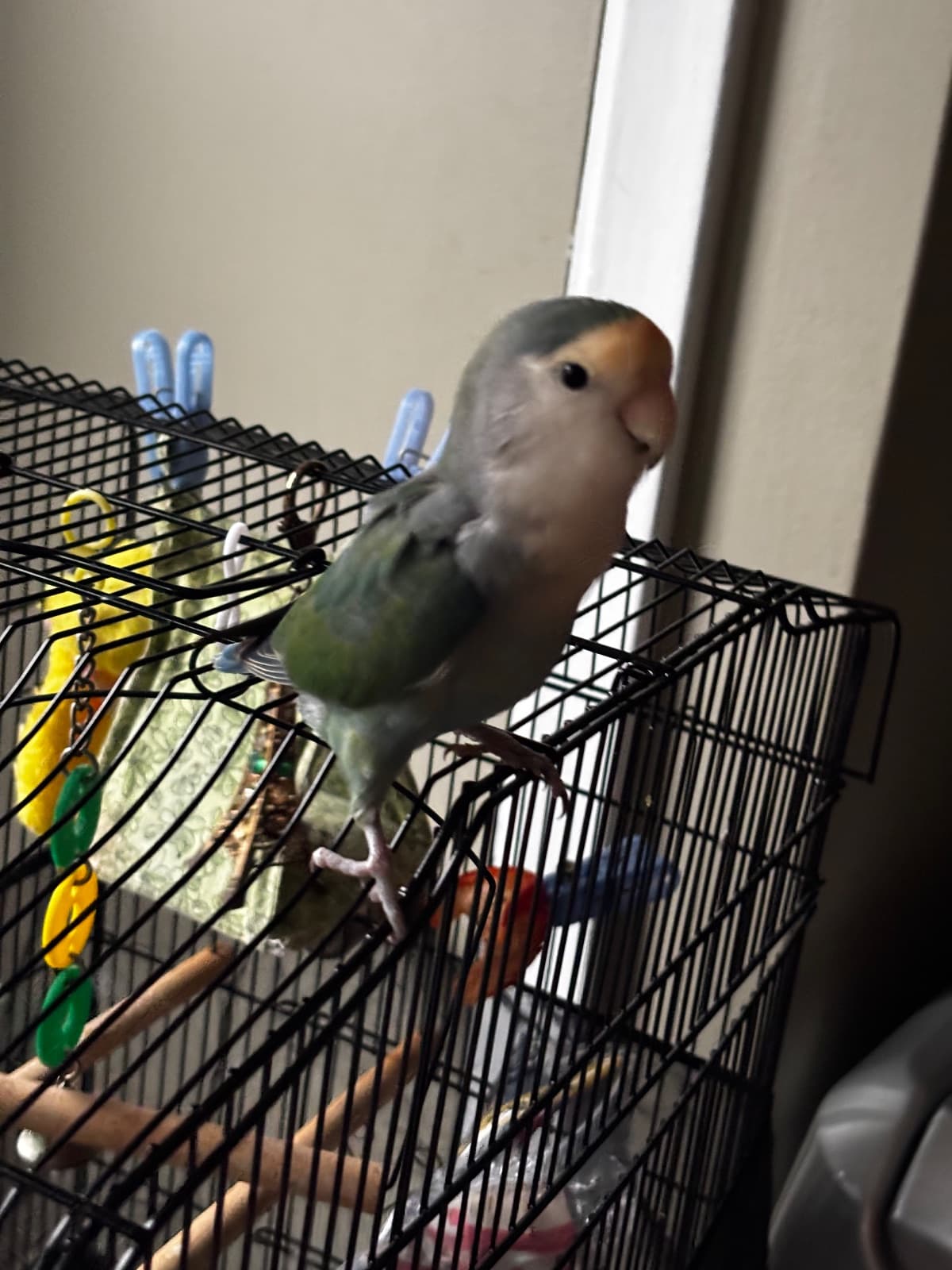
Bird Emergency Evacuation Plan: How Toronto Owners Can Prepare
A fire alarm, winter power outage, or sudden building evacuation can leave little time to decide what to do with your bird. A simple plan made in advance helps you move calmly and keep your companion safer—whether you live in a Toronto condo, a rental apartment, or a house in the GTA.
Choose an evacuation carrier before you need one
Keep a secure, appropriately sized travel carrier somewhere you can reach quickly. It should be sturdy, well ventilated, and easy to close. A carrier that opens from the top or side can make loading easier, but check that every door and latch stays shut when lifted. Avoid relying on a cardboard box or a cage with a loose door during an emergency.
If your bird is comfortable with a carrier, make it part of ordinary life rather than bringing it out only for stressful trips. Leave it open in a familiar area, add a favourite perch or treat, and let your bird explore at its own pace. Practise closing the door briefly while you are nearby, then gradually carry the carrier around the home. Never force a frightened bird inside just to complete a drill.
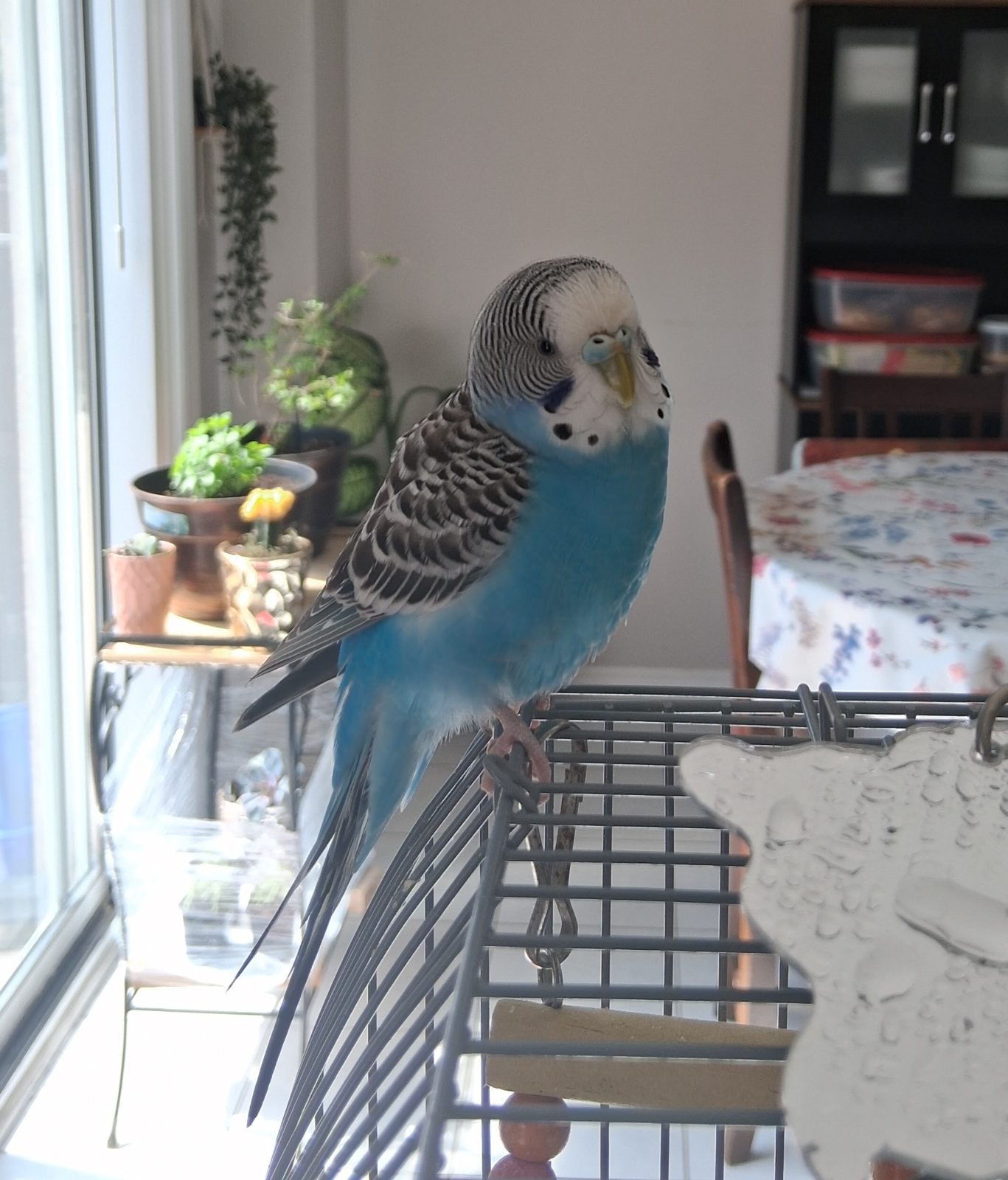
Every bird is different; build carrier confidence gradually and reward calm curiosity.
Make a grab-and-go kit
Store a small bird emergency kit beside the carrier or in a clearly marked cupboard. Include:
Rotate food and medication before they expire. If your bird eats fresh foods, plan to offer them once you are somewhere safe rather than leaving perishable items in the kit.
Plan for your building and household
In a condo or apartment, learn the building’s evacuation procedures and identify the nearest safe exit in advance. Do not use an elevator during a fire alarm unless emergency personnel direct you to do so. Ask your property manager how residents with pets should respond, and find out whether there is a designated meeting point. Keep your carrier accessible—not behind a stack of boxes or in a room that may be difficult to reach.
If you live with other people, decide who will collect the bird and who will gather the kit. Make sure everyone knows where the carrier is and how its latches work. If you are often away during the day, consider arranging a trusted neighbour or friend who can help. Leave that person written instructions and a way to contact you.
What to do during an evacuation
Follow instructions from emergency services and building staff first. If there is a fire or another immediate threat, do not delay leaving to collect extra belongings. If you can safely reach your bird, place them in the carrier, secure the door, and take the grab-and-go kit. Keep the carrier level and close to your body while moving, and cover part of it if that helps your bird settle without blocking airflow.
Once outside, go to the designated meeting place or another safe location away from traffic, smoke, and extreme weather. Keep the carrier closed. A startled bird can escape in seconds, and opening the door outdoors—even briefly to offer food or water—creates a serious risk. Contact your veterinarian or an emergency clinic if your bird has been exposed to smoke, excessive heat or cold, or seems unwell. Don’t wait for obvious symptoms after smoke exposure; call for veterinary guidance.
Prepare for a Toronto power outage
During a winter outage, a bird’s room may cool quickly, especially in a drafty home. Identify a safe room away from windows and outside doors, and plan how you would keep the carrier warm without using an unsafe heat source. Never place a carrier beside a candle, portable combustion heater, or unattended heat pack. Carbon monoxide is dangerous to people and birds alike, so use fuel-burning equipment only as directed and maintain working carbon monoxide alarms.
For shorter outages, keep your bird in a familiar, draft-free area and monitor the room temperature. If conditions become unsafe, move to a suitable warm location with your bird secured in the carrier. Before travelling, check that the destination can accept birds; not every shelter, hotel, or temporary accommodation allows them. A trusted friend or family member may be a better option if they can provide a safe space.
Rehearse and update the plan
Practise a calm carrier routine every few weeks and check that the carrier, supplies, and contact details are still ready. Revisit the plan when you move, change veterinarians, or bring home a different bird. If you are preparing to adopt, ask about the bird’s carrier experience and include that information in your settling-in plan. You can [browse birds available for adoption](/), join the [adoption waitlist](/waitlist), or explore our [species guides](/species) as you plan for a bird’s needs.
A few minutes of preparation can make a frightening situation more manageable. When you’re ready to take the next step, visit the Bird Sitting Toronto Rehoming Portal to learn about birds looking for homes.
Ready to welcome a feathered friend?
Browse birds currently available for adoption through BST.
Browse Available BirdsRelated Articles
How Much Does It Cost to Own a Pet Bird in Toronto? A Realistic Budget Guide
Plan for the real cost of owning a pet bird in Toronto, from adoption and setup to food, supplies, and avian veterinary care.
Oct 4, 2026
Understanding and Managing Molting in Companion Birds: A Toronto Owner's Guide
Learn about molting in companion birds, including signs, care tips, and how to support your bird through this natural process for Toronto bird owners.
Sep 30, 2026