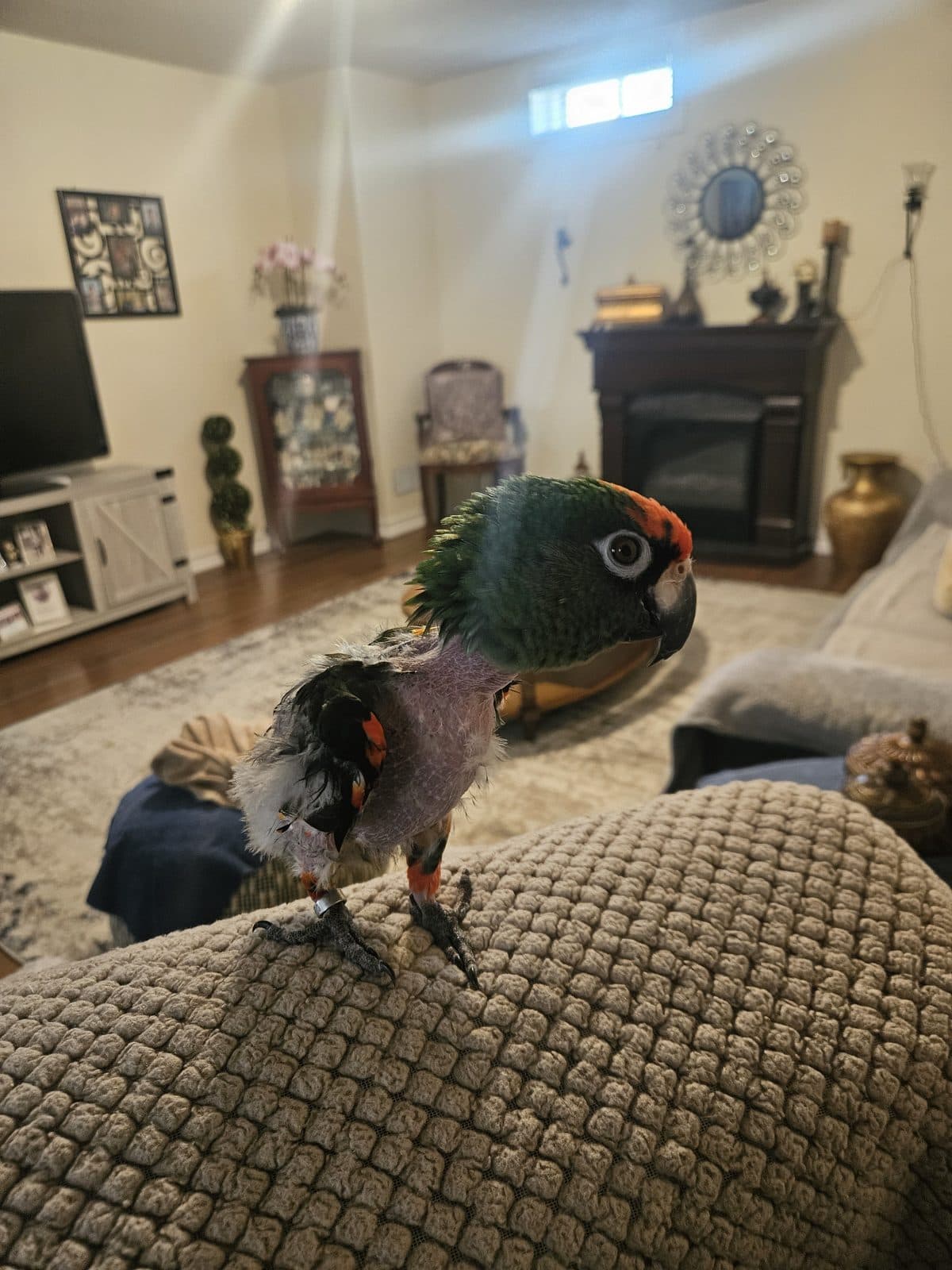
Understanding and Managing Molting in Companion Birds: A Toronto Owner's Guide
As a Toronto bird owner, you've likely noticed periods when your feathered friend seems a bit more ruffled than usual, or perhaps you've found a surprising number of feathers scattered around their cage. This natural and essential process is called molting. Understanding molting is key to ensuring your bird remains healthy and comfortable during this time.
Molting is a normal physiological process where birds replace old, worn-out feathers with new ones. It's not just about aesthetics; healthy feathers are vital for flight, insulation, and protection. For pet birds, molting can occur once or twice a year, though the frequency and duration can vary greatly depending on species, age, diet, and environmental factors like light cycles and temperature. For example, a budgie might have a continuous, lighter molt, while a larger parrot like an African Grey might have a more pronounced, seasonal molt.
The Stages and Signs of Molting
Recognizing that your bird is molting is the first step to providing proper care. Here's what to look for:
* Increased Feather Loss: This is the most obvious sign. You'll find more feathers in the cage, on perches, and around their favourite spots. Don't be alarmed if you find large flight or tail feathers; these are also replaced during a molt.
* Pin Feathers: These are new feathers emerging, encased in a waxy keratin sheath. They look like tiny, stiff quills. Your bird might seem spiky or prickly, especially around the head and neck. These pin feathers can be itchy and sometimes uncomfortable.
* Irritability or Lethargy: Molting is a demanding process, requiring a lot of energy. Your bird might be less active, sleep more, or even become a bit grumpier or more sensitive to handling due to the discomfort of new feathers pushing through.
* Preening and Scratching: Birds will spend more time preening to help remove the waxy sheaths from their pin feathers. They might also scratch more often to relieve itching.
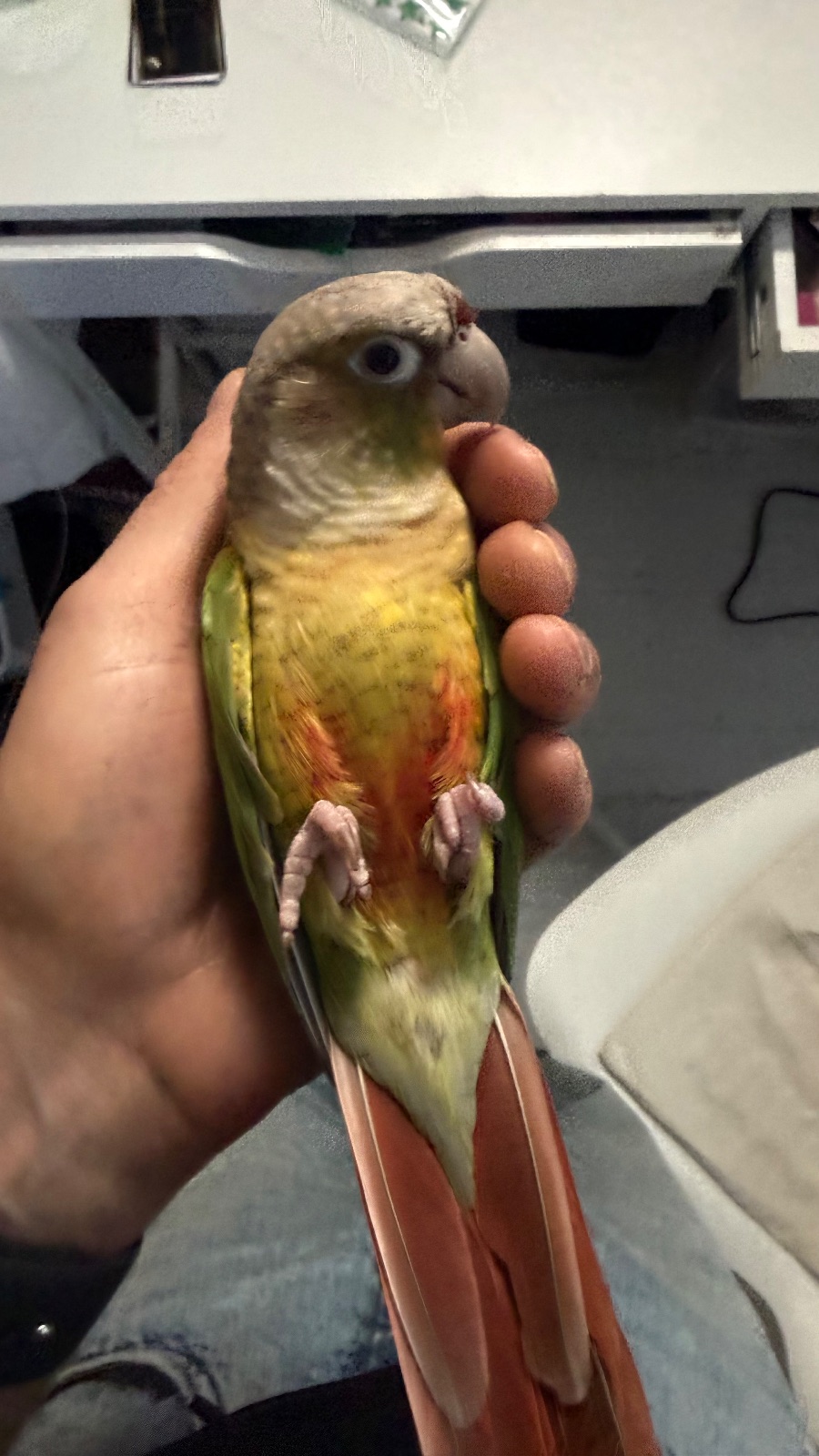
Kiki, a Conure, showing off healthy plumage.
Supporting Your Bird Through Molt
Molting demands extra care and attention from Toronto bird owners. Here's how you can help your companion bird navigate this period comfortably:
Enhanced Nutrition
Feather growth requires a significant amount of protein, amino acids, and other nutrients. This is not the time for a seed-only diet. Ensure your bird is getting:
* High-Quality Pellets: These should form the bulk of their diet year-round, but especially during molt. Look for reputable brands available at your local pet supply stores across the GTA.
* Increased Protein: Offer cooked lean meats (chicken, turkey), hard-boiled eggs, cooked legumes, and thoroughly washed dark leafy greens like kale and spinach.
* Vitamin A-Rich Foods: Carrots, sweet potatoes, and mango are excellent sources.
* Omega Fatty Acids: A few drops of flaxseed oil or a sprinkle of chia seeds can be beneficial.
Regular Bathing Opportunities
Bathing is crucial during molting. It helps soften the waxy sheaths of pin feathers, making them easier for your bird to preen off and reducing irritation. Offer daily baths, whether it's a shallow dish of fresh water in their cage, a misting with a clean spray bottle, or even a supervised shower with you. Ensure the water is lukewarm and the room is free from drafts, especially in Toronto's colder months.
Adequate Rest
As mentioned, molting is energy-intensive. Your bird will need more sleep. Ensure they have a quiet, dark place to rest for 10-12 hours each night. This might mean covering their cage or moving them to a less-trafficked room.
Gentle Handling and Preening Assistance
Pin feathers can be sensitive, so be mindful during handling. If your bird allows it, you can gently roll the waxy sheaths off mature pin feathers (those that are no longer tender at the base) between your fingers. Focus on areas they can't easily reach, like the top of their head. Always be gentle and stop if your bird shows any signs of discomfort.
Minimize Stress
Stress can prolong or disrupt a molt, which isn't healthy for your bird. Maintain a consistent routine, avoid sudden changes in their environment, and ensure they feel safe and secure. A calm home environment in bustling Toronto can make a big difference.
When to Be Concerned
While molting is natural, some signs warrant a call to your avian veterinarian, especially here in the GTA where specialized care is accessible. Contact your vet if you observe:
* Excessive feather plucking or chewing: This could indicate parasites, allergies, or behavioural issues, not just normal molting.
* Bald spots or patchy feather growth that persists: This can signal nutritional deficiencies, disease, or underlying health problems.
* Molting out of season without any obvious triggers: While light cycles influence molt, extreme deviations might be a concern.
* Prolonged lethargy, loss of appetite, or other signs of illness: Always err on the side of caution.
Understanding and properly managing your bird's molting cycle is a vital part of responsible bird ownership. By providing extra nutritional support, bathing opportunities, and a calm environment, you can help your feathered companion emerge from their molt with a fresh, vibrant, and healthy new set of feathers.
If you're considering adding a bird to your family, or need to rehome one, Bird Sitting Toronto's Rehoming Portal is here to help. You can [browse adoptable birds](/), join our [adoption waitlist](/waitlist), or learn more about [rehoming a bird](/rehome) responsibly.
*
For more detailed information on specific species and their unique care needs, including molting patterns, be sure to check out our [species guides](/species).
Ready to welcome a feathered friend?
Browse birds currently available for adoption through BST.
Browse Available BirdsRelated Articles
Essential First Aid for Companion Birds: What Toronto Owners Need to Know
Learn essential first aid for common bird emergencies in Toronto. This guide covers recognizing distress, immediate actions, and preparing a bird first aid kit.
Sep 26, 2026
Understanding and Preventing Night Frights in Your Companion Bird: A Toronto Guide
Learn how to identify, understand, and prevent night frights in your companion bird, ensuring peaceful sleep for your feathered friend in Toronto.
Sep 23, 2026