Essential First Aid for Companion Birds: What Toronto Owners Need to Know
Even with the best care, companion birds can sometimes encounter unexpected health issues or accidents. Knowing basic avian first aid can make a critical difference in the outcome, giving you precious time to get your feathered friend to a qualified avian veterinarian. This guide will help Toronto bird owners understand common emergencies, what to do in the immediate aftermath, and how to prepare a ready-to-go first aid kit.
Remember, first aid is about stabilizing your bird and preventing further harm before professional veterinary care. It is never a substitute for a visit to an avian vet. If you suspect your bird is injured or ill, contact your avian vet immediately.
Recognizing a Bird in Distress
Birds are masters at hiding illness, a survival instinct in the wild. This means by the time you notice symptoms, the situation might be more serious than it appears. Look out for these signs that your bird may need immediate attention:
* Changes in posture or appearance: Ruffled feathers (unless sleeping), hunched posture, drooping wings, inability to perch, sitting on the bottom of the cage.
* Changes in breathing: Tail bobbing with each breath, open-mouthed breathing, sneezing, discharge from nostrils.
* Changes in droppings: Significant changes in colour, consistency, or volume; blood in droppings.
* Changes in behaviour: Lethargy, extreme quietness, loss of appetite, excessive sleeping, sudden aggression or fear, self-mutilation.
* Visible injuries: Bleeding, broken bones, limping, wounds.
What to Do in Common Emergencies
1. Bleeding
Minor cuts or broken blood feathers are relatively common. A blood feather is a new feather still growing, with a blood supply running through its shaft. If broken, it can bleed profusely.
* Small Cuts/Nicks: Apply direct pressure with a clean cloth or gauze. Cornstarch or flour can help clot the blood on small wounds, but avoid using it on large, deep cuts.
Broken Blood Feather: This is an emergency. If the feather is bleeding heavily and continuously, it may need to be carefully removed. This is often best done by an avian vet.* If you must attempt it yourself (only if immediate vet access is impossible and the bleeding is severe), grasp the feather firmly at its base with sterile pliers or tweezers and pull it out quickly in the direction of feather growth. Apply pressure to the empty follicle. This is painful for the bird and should be a last resort.
2. Fractures and Trauma
Falls, collisions with windows, or getting caught in objects can lead to fractures or internal injuries.
* Immobilization: If you suspect a broken wing or leg, gently restrict your bird's movement to prevent further injury. You can place the bird in a small, dark, towel-lined container (like a shoebox with air holes) to keep it calm and still.
* Keep Warm: A traumatized bird can go into shock. Provide gentle warmth using a heating pad set on low under one side of the container, or a heat lamp placed at a safe distance.
3. Attacks by Other Pets or Predators
Even a seemingly minor bite from a cat or dog can be deadly due to bacteria introduced by their saliva. Immediate veterinary attention is crucial, even if the wound looks small.
* Clean and Cover: If possible, gently clean any visible wounds with saline solution. Cover with sterile gauze.
* Contain and Transport: Place your bird in a carrier and get to the vet immediately.
4. Ingestion of Toxins
Many household items are toxic to birds, including certain plants, cleaning products, lead, zinc, and avocado. If you suspect your bird has ingested something toxic:
* Identify: If you know what was ingested, bring a sample or its packaging to the vet.
* Do NOT Induce Vomiting: Unlike other pets, inducing vomiting in birds can be dangerous.
* Vet Immediately: Rush your bird to the nearest avian vet. Time is of the essence.
5. Respiratory Distress
Open-mouthed breathing, tail bobbing, or wheezing are serious signs.
* Reduce Stress: Keep the bird calm and quiet in a dimly lit environment.
* Provide Warmth and Humidity: A steamy bathroom (without the bird getting wet) can sometimes offer temporary relief. Keep the bird warm.
* Vet: This is a critical emergency requiring immediate veterinary care.
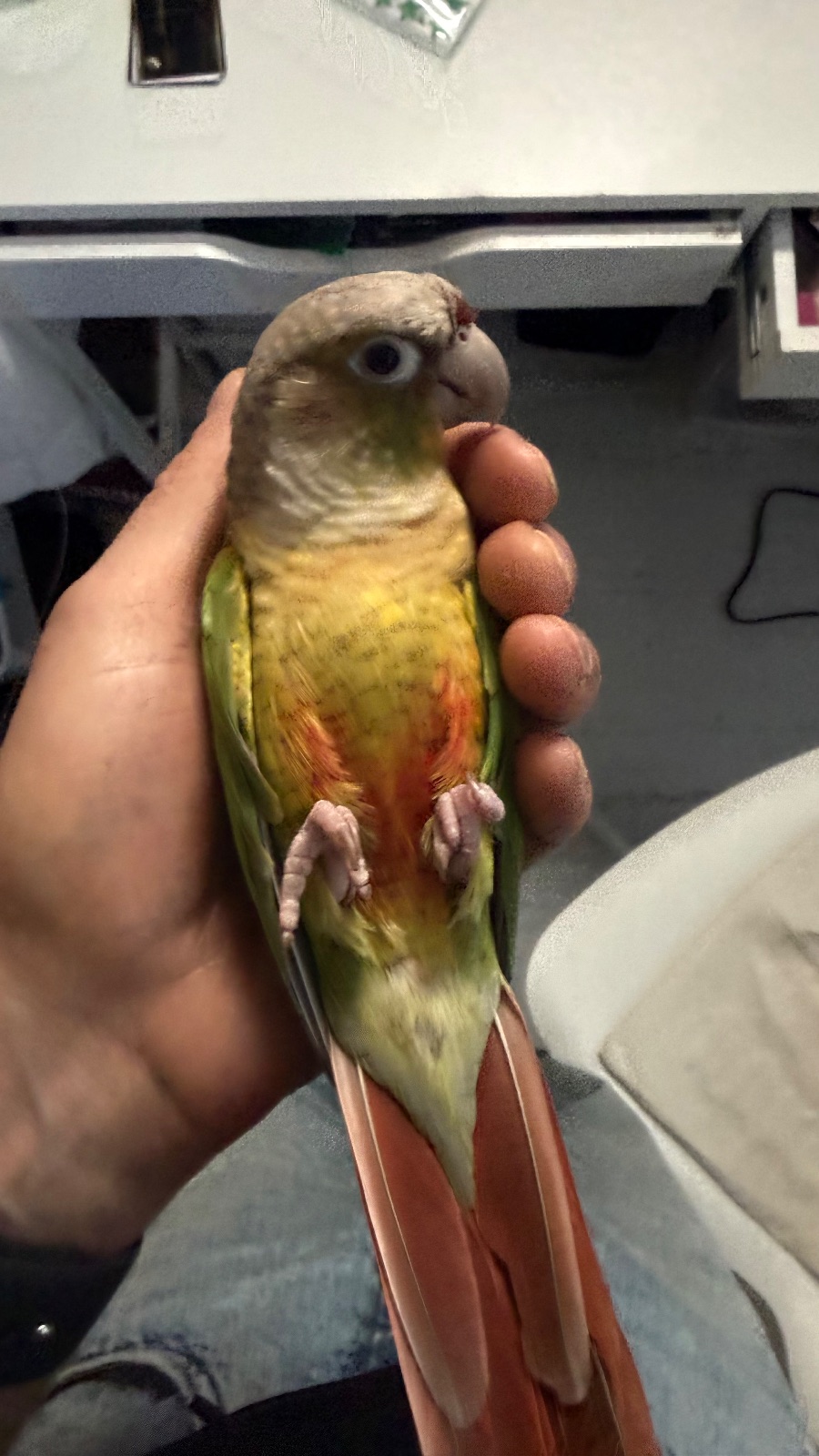
Kiki, a Conure, resting peacefully. Knowing basic first aid can help keep your bird healthy and safe.
Building Your Avian First Aid Kit
Having a well-stocked first aid kit can save precious time during an emergency. Keep it easily accessible.
Essentials for Your Kit:
* Emergency Contact Info: Your avian vet's number, emergency vet clinics in Toronto/GTA, and a trusted friend or neighbour's contact.
* Carrier/Small Transport Box: A secure, easily sanitized carrier is vital for vet visits. For emergencies, a small, dark, towel-lined box can help keep a bird calm.
* Heating Source: A small heating pad (set on low), hot water bottle wrapped in a towel, or a portable heat pack to provide warmth to a bird in shock.
* Gloves: Latex or nitrile gloves for hygiene and to protect yourself.
* Clean Cloths/Gauze Pads: For applying pressure to wounds or cleaning.
* Styptic Powder/Cornstarch/Flour: To help stop bleeding from minor nicks or broken nails. Avoid using on deep wounds.
Saline Solution: Sterile saline (like contact lens solution or wound wash, not* nasal spray) for flushing wounds or eyes.
* Tweezers/Small Pliers: For potential blood feather removal (exercise extreme caution) or splinter removal.
* Vet Wrap/Self-Adhering Bandage: For stabilizing minor injuries. Ensure it's not too tight.
* Syringes (without needles) or Dropper: For administering water or critical care formula if advised by your vet.
* Pediatric Electrolyte Solution (unflavoured): To help with dehydration if recommended by your vet.
* Flashlight: To examine your bird more closely.
* Magnifying Glass: For tiny splinters or examining small wounds.
* Antiseptic Wipes (alcohol-free): To clean around wounds (avoid directly on deep wounds).
Finding an Avian Veterinarian in Toronto
One of the most crucial steps you can take as a Toronto bird owner is to establish a relationship with a qualified avian veterinarian before an emergency strikes. Not all vets are trained in avian medicine. Ask around in local bird communities, check online directories, or ask your local pet store for recommendations. Having this contact readily available can save critical time when every minute counts.
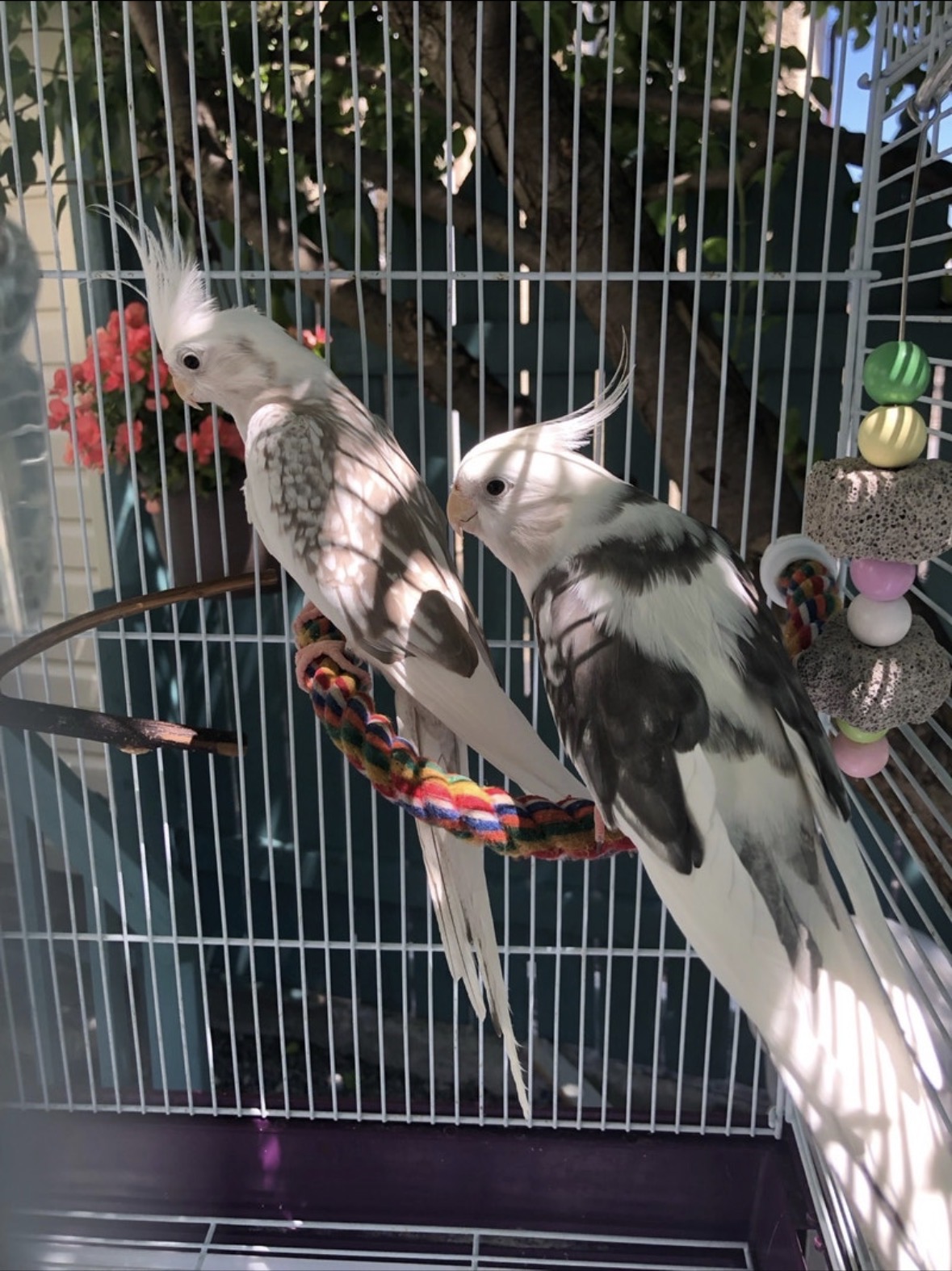
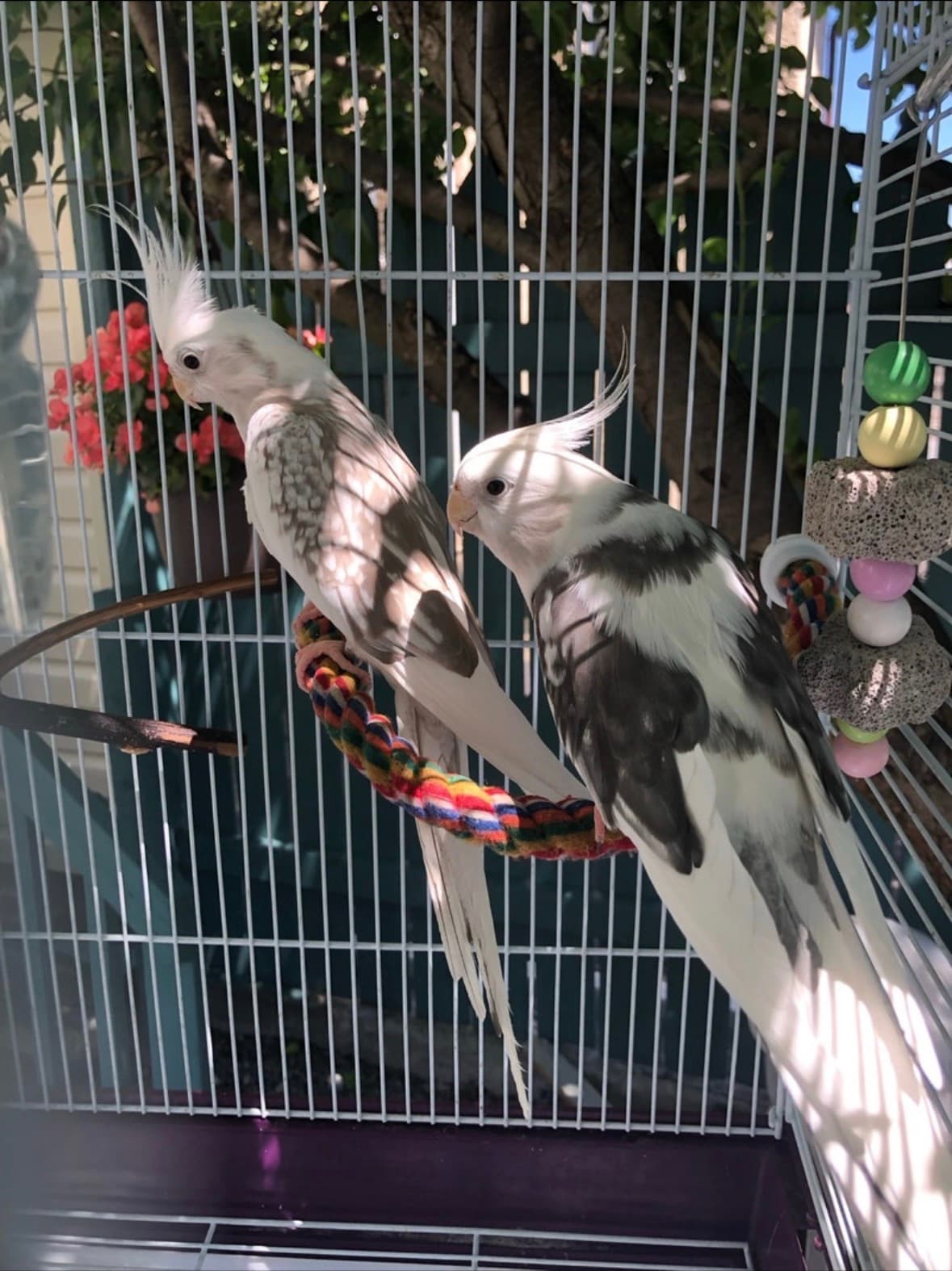
Sunny & Bunny, a Cockatiel, enjoying some quiet time. Regular check-ups with an avian vet are key to preventative care.
Prevention is Key
While first aid is important, preventing emergencies is even better. Bird-proof your home thoroughly, supervise your bird during out-of-cage time, provide a nutritious diet, and ensure a clean, stimulating environment. Regular check-ups with an avian vet can also catch potential issues before they become emergencies.
We hope this guide provides a helpful starting point for preparing for the unexpected. Your bird's well-being is paramount, and being prepared means being a responsible and loving companion.
If you're considering welcoming a feathered friend into your Toronto home, or if you're looking to learn more about specific species, please explore our available birds here: [/]. You can also sign up for our adoption waitlist to be notified when birds matching your preferences become available: [/waitlist].
Ready to welcome a feathered friend?
Browse birds currently available for adoption through BST.
Browse Available BirdsRelated Articles
Understanding and Preventing Night Frights in Your Companion Bird: A Toronto Guide
Learn how to identify, understand, and prevent night frights in your companion bird, ensuring peaceful sleep for your feathered friend in Toronto.
Sep 23, 2026
Minimizing Stress for Your Newly Adopted Bird in Toronto
Learn essential strategies to help your newly adopted bird acclimate to its new Toronto home with minimal stress, fostering a strong bond.
Sep 20, 2026