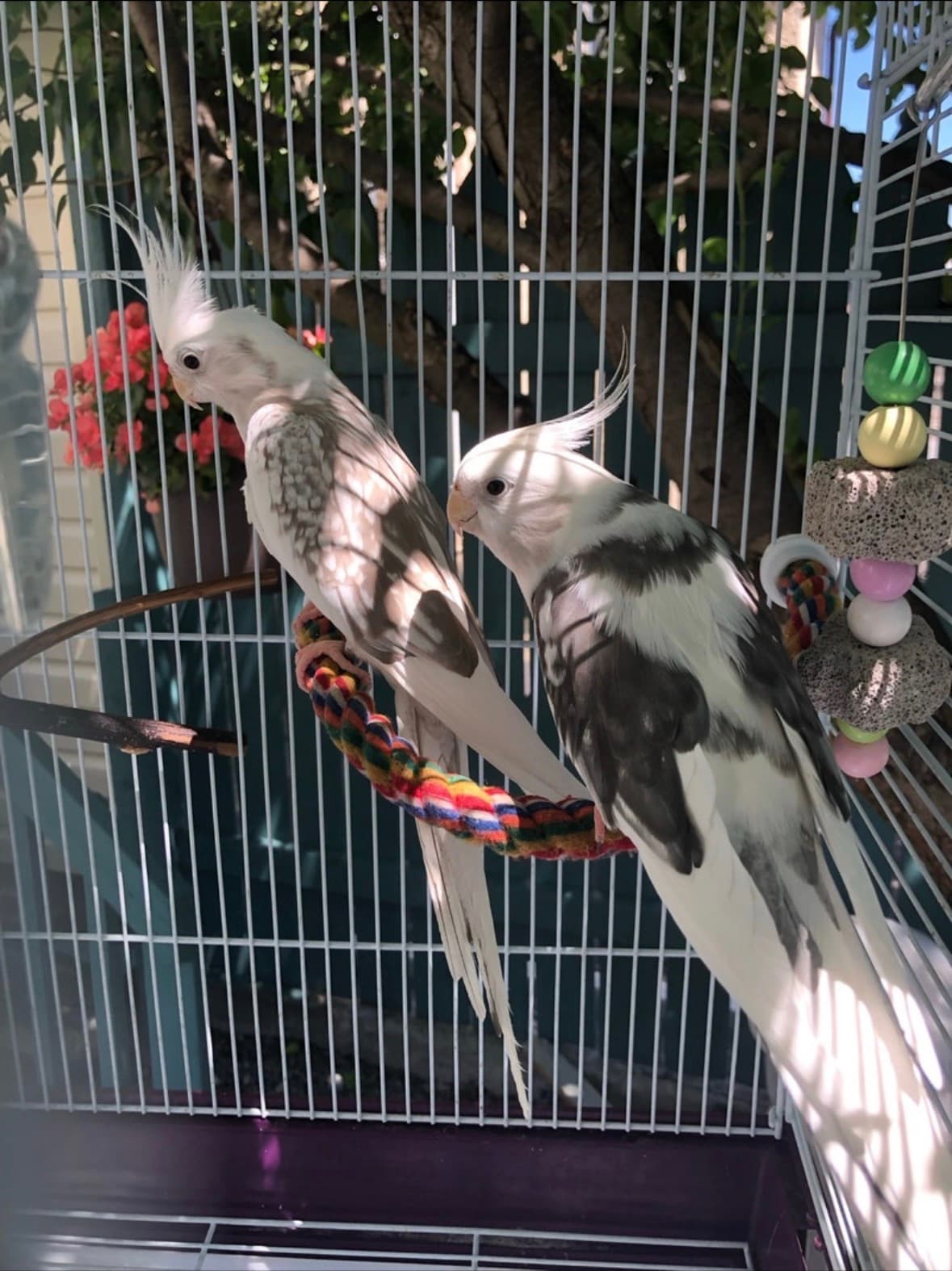
How Much Does It Cost to Own a Pet Bird in Toronto? A Realistic Budget Guide
A bird’s adoption fee is only one part of the commitment. Before bringing a companion bird home in Toronto or the GTA, it helps to budget for the setup, routine care, and unexpected expenses that come with keeping a bird healthy. Costs vary with species, size, health, and your household, but planning ahead can make adoption less stressful for everyone.
Start with adoption and the first vet visit
Ask the rehoming organization what an adoption fee includes. It may cover some combination of a health check, available medical records, supplies, or support during the transition, but inclusions differ. If you are adopting directly from a guardian, ask for any records they have and arrange an examination with an avian veterinarian soon after the bird comes home.
An initial appointment is useful even when a bird appears well. The vet can discuss the bird’s history, diet, weight, and care needs, and establish a baseline for future visits. Ask the clinic for its current examination fees and what tests or follow-up care might be recommended. Avian veterinary services can be limited, so check appointment availability and travel time as well as price. The [species guides](/species) can help you learn what care questions to ask before you adopt.
Budget for setup before bringing your bird home
A suitable cage, safe perches, food and water dishes, and cleaning supplies are essential. The right cage depends on the bird’s species and size, but it should allow comfortable movement and accommodate perches and enrichment without crowding. Avoid buying a cage based on appearance alone; confirm that its dimensions and bar spacing suit the bird.
Plan for more than the cage itself. You may need a carrier for vet visits, a cage cover if appropriate for your bird, and a few simple toys that can be rotated. Birds also need regular opportunities to forage, chew, and move. You can make some safe enrichment from suitable household materials, but check that anything you offer is clean and bird-safe.
A rehomed bird may already have familiar equipment. Ask which items the bird uses comfortably and whether they can come along. Familiar objects can make the move easier, and reusing safe supplies may help manage setup costs. Replace anything damaged, difficult to clean, or unsuitable for the bird’s needs.
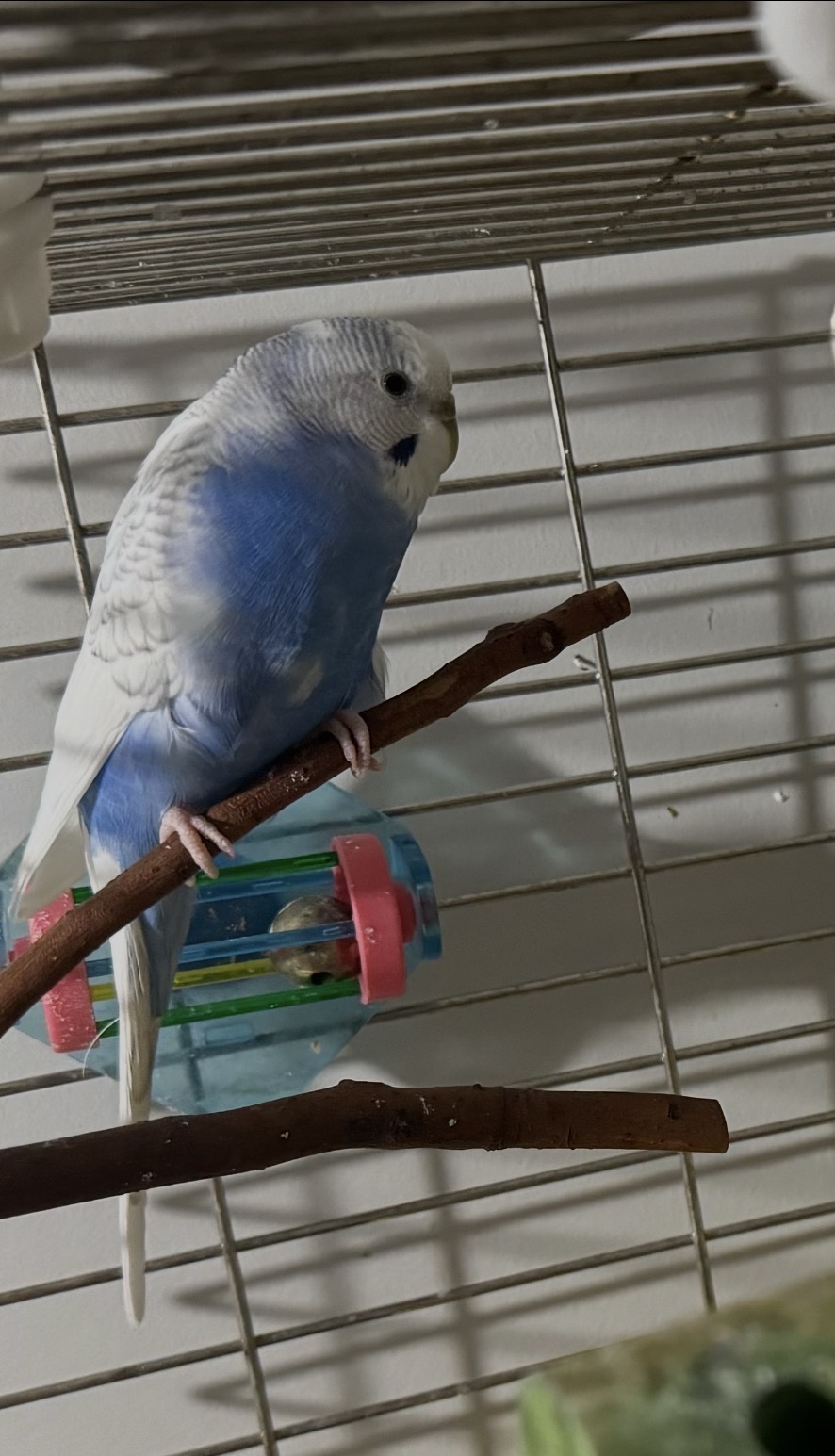
Snow is a reminder that even a small bird needs a thoughtful, well-equipped home.
Include recurring food and supply costs
Food is an ongoing expense, and the right diet depends on the individual bird. Budget for the bird’s current appropriate food while you learn what they eat, and ask a vet how to make any diet changes gradually. Fresh vegetables and other suitable foods may be part of a balanced plan, but don’t assume that a seed mix alone meets a bird’s needs.
Other recurring purchases can include cage liners, cleaning products that are safe around birds, replacement perches, and toys or foraging materials. How quickly these supplies are used depends on the bird. A determined chewer may go through toys faster than a bird who prefers quieter activities. Keep a small monthly allowance for replacements rather than treating setup as a one-time cost.
Plan for veterinary care and emergencies
Routine checkups, diagnostic tests, and treatment can add up, and an unexpected illness may require urgent care. Before adopting, identify an avian vet and ask about fees, payment options, and how the clinic handles after-hours emergencies. Keep the clinic’s contact details accessible and consider how you would travel there from your home.
Set aside an emergency fund if you can. There is no single amount that fits every bird or household, but even a gradual savings habit is better than having no plan. If you are comparing adoption options, ask whether the bird has known medical needs and what care the current guardian has been managing. Honest information helps you decide whether the commitment is right for you.
Consider the costs of your home and routine
Bird care can affect household expenses beyond supplies. You may need to adjust where the cage sits, protect flooring or furniture, or arrange care when you are away. In a Toronto rental or condo, review your building’s pet rules before adopting; confirm whether birds are permitted and whether any size or noise restrictions apply. Don’t assume that a bird is automatically allowed because it is small or stays in a cage.
Think about your schedule, too. Birds need daily care and social interaction, not just food and water. If you work long hours or travel regularly, include the cost and availability of a trusted bird sitter in your planning. A realistic budget includes the time and support needed to provide consistent care.
Make a budget that fits the bird
Write down one-time setup costs, regular monthly supplies, routine veterinary care, and an emergency cushion. Then compare that plan with your household budget before you commit. If you’re still deciding which kind of bird suits your space, experience, and resources, use the [species guides](/species) to research likely needs. You can also [browse adoptable birds](/) or join the [adoption waitlist](/waitlist) while you prepare.
There’s no need to buy every toy or accessory at once. Prioritize safe housing, suitable food, and veterinary care, then add enrichment thoughtfully as you learn what your bird enjoys. A careful plan helps you focus on building a good life together—not scrambling to cover predictable needs. When you’re ready, visit Bird Sitting Toronto’s Rehoming Portal to explore birds seeking a home.
Ready to welcome a feathered friend?
Browse birds currently available for adoption through BST.
Browse Available BirdsRelated Articles
Understanding and Managing Molting in Companion Birds: A Toronto Owner's Guide
Learn about molting in companion birds, including signs, care tips, and how to support your bird through this natural process for Toronto bird owners.
Sep 30, 2026
Essential First Aid for Companion Birds: What Toronto Owners Need to Know
Learn essential first aid for common bird emergencies in Toronto. This guide covers recognizing distress, immediate actions, and preparing a bird first aid kit.
Sep 26, 2026