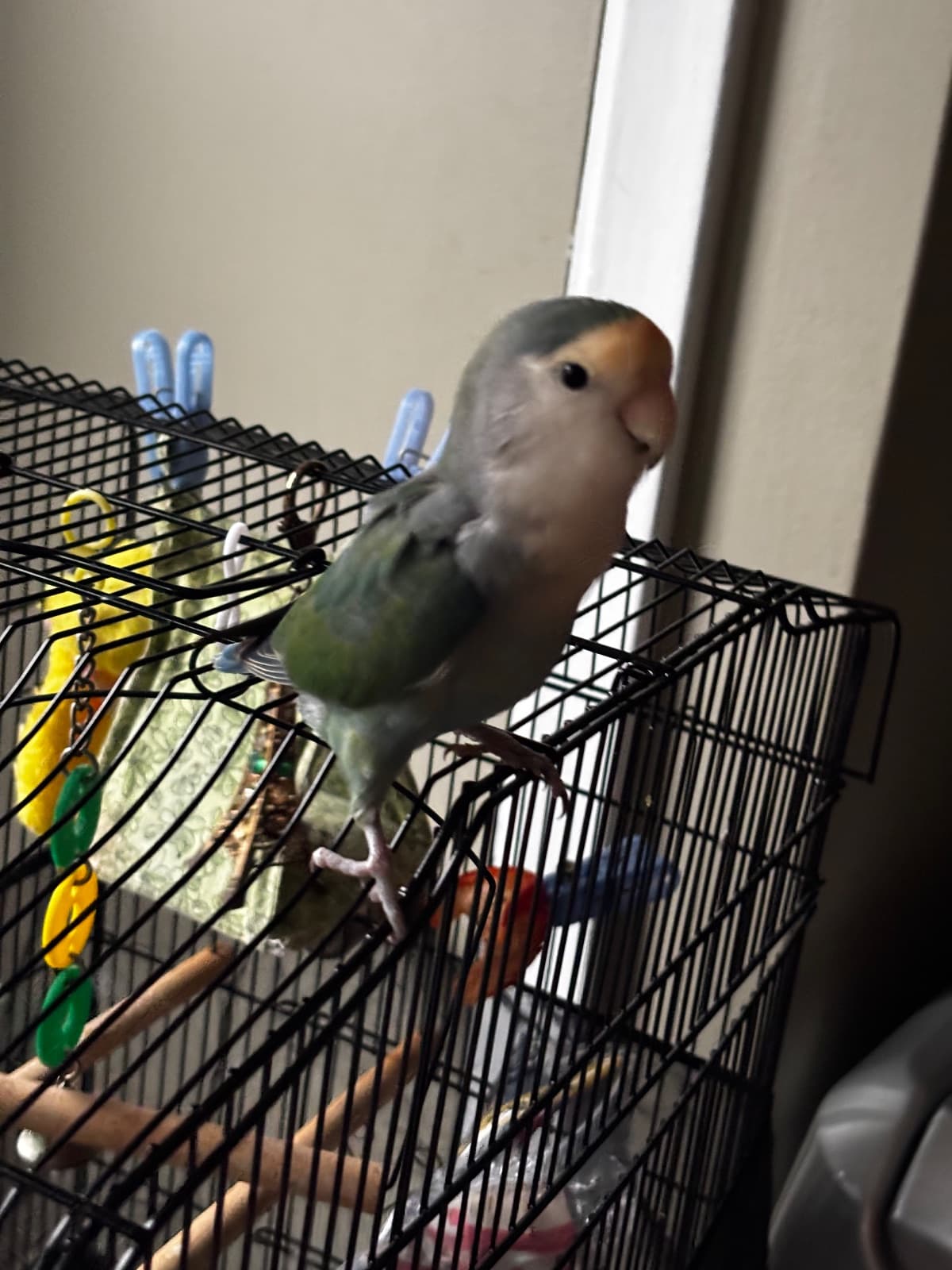
Finding a Bird Sitter in Toronto: A Practical Guide for Owners
Leaving town takes extra planning when a bird depends on you for meals, attention, and a familiar routine. A good sitter does more than refill food and water: they need to understand your bird’s normal behaviour, notice when something seems wrong, and follow your instructions calmly. With a clear plan, Toronto bird owners can make time away less stressful for everyone.
Choose a sitter who is comfortable with birds
Start by asking people you trust—such as your avian veterinarian, experienced bird-owning friends, or a reputable pet-care provider—for recommendations. A general pet sitter may be excellent with dogs and cats but unfamiliar with birds. Ask directly about their experience with your bird’s species and whether they can follow written care instructions.
A sitter should be comfortable entering your home, moving slowly around the bird, and respecting the bird’s boundaries. They don’t necessarily need to handle your bird. In fact, if your bird is shy or not accustomed to being picked up, it may be safer to keep care simple and avoid introducing handling just before you leave.
Talk through practical details before booking: visit times, how long each visit will last, backup availability, keys or entry arrangements, and what happens if the sitter can’t make a visit. If you’re considering a boarding option, ask how birds are housed, whether they are kept away from other animals, and what health and emergency procedures are in place.
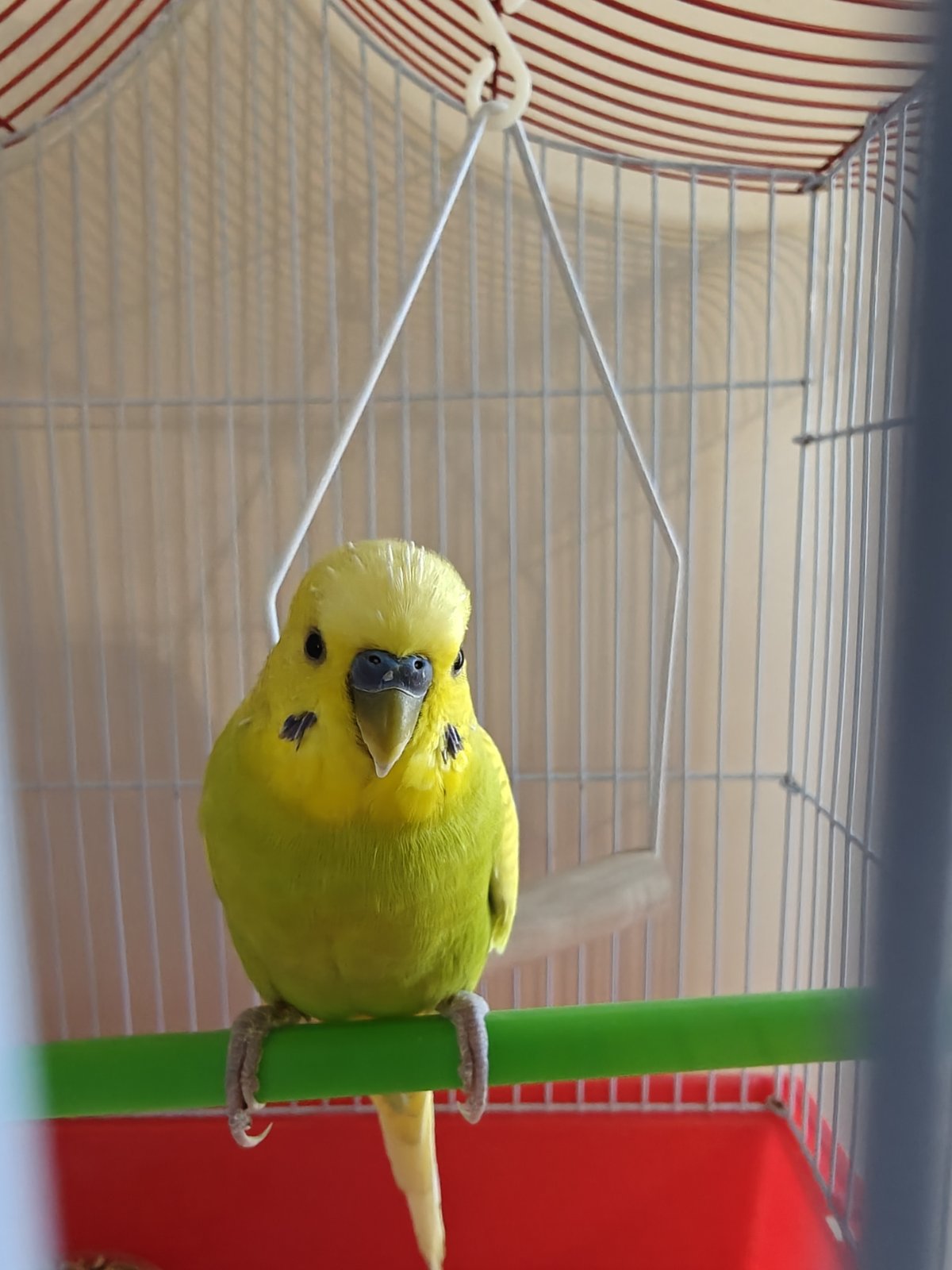
Limi the Budgie: a sitter’s instructions should reflect your individual bird’s habits, not just its species.
Make a written care sheet
Don’t rely on a quick conversation or memory. Leave a concise, up-to-date guide where the sitter can find it. Include:
Be specific about food. For example, label prepared portions and explain which foods should not be offered. If your bird takes medication, write down the exact instructions and arrange a practice demonstration well before your departure. If the sitter is not confident administering it, discuss alternatives with your veterinarian rather than hoping they will manage on the day.
Keep the environment familiar and secure
Before you go, put food, cleaning supplies, and care instructions in predictable places. Ask the sitter to keep doors and windows closed while caring for the bird, and to check that the cage is latched before leaving. Explain any household risks that are easy to overlook, such as ceiling fans, open water, or other pets that must stay separated.
For most birds, keeping their usual cage and daily rhythm is less disruptive than a sudden change of setting. Avoid making major cage or diet changes immediately before a trip. If your bird will be staying elsewhere, arrange a gradual introduction when possible and confirm that the destination can provide a suitably quiet, safe space.
Toronto travel plans can be affected by traffic, weather, and transit disruptions. Build some flexibility into visit times, particularly in winter, and make sure your sitter has a backup plan if roads or transit make a visit difficult. Keep enough familiar food and essential supplies on hand in case your return is delayed.
Agree on what counts as an emergency
Birds can hide signs of illness, so your sitter should know to contact you promptly if your bird seems unusually quiet, has difficulty breathing, is unable to perch, refuses food, or shows another concerning change. Make clear that they should not wait for several visits to see if a problem passes.
Give permission and instructions for seeking veterinary help if you cannot be reached. Confirm how payment will be handled and provide a carrier that the sitter can locate. Your avian veterinarian can advise on the best steps for your bird; don’t ask a sitter to diagnose or treat a problem at home.
Do a trial visit before you leave
Have the sitter meet your bird while you are present. Show them where supplies are, walk through the routine, and let them try any tasks they will need to do. Watch how your bird responds, but don’t expect instant friendship. A calm, predictable visit is a better goal than forcing interaction.
If you’re still preparing to adopt, consider how a bird’s care needs fit your travel schedule and support network. You can [browse adoptable birds](/) and explore our [species guides](/species) as part of that planning. If your circumstances change and you can no longer provide care, the [rehoming portal](/rehome) can help you consider responsible next steps.
A thoughtful handoff gives your sitter the tools to provide steady care and gives you a clearer picture of how your bird is doing while you’re away. When you’re ready to learn more or find your next companion, visit Bird Sitting Toronto’s Rehoming Portal.
Ready to welcome a feathered friend?
Browse birds currently available for adoption through BST.
Browse Available BirdsRelated Articles
Bird Emergency Evacuation Plan: How Toronto Owners Can Prepare
Prepare a bird emergency evacuation plan for Toronto: make a carrier routine, gather supplies, and know what to do during a fire or power outage.
Oct 7, 2026
How Much Does It Cost to Own a Pet Bird in Toronto? A Realistic Budget Guide
Plan for the real cost of owning a pet bird in Toronto, from adoption and setup to food, supplies, and avian veterinary care.
Oct 4, 2026